Sponsored By:
With government debt soaring and inflation still biting, smart investors aren't waiting for volatility to hit — they're preparing now. The Gold Wealth Blueprint breaks down exactly how gold has historically shielded portfolios during periods of fiscal strain and market uncertainty.
Inside, you'll discover why gold moves differently than paper assets, how to use it as a practical hedge, and how to size your exposure without overcommitting. It's concise, actionable, and free — but don't sit on it.
Get the Free Gold Wealth BlueprintBy following the link above, you're choosing to opt in to receive insightful updates from Investor News + 2 free bonus subscriptions. Your privacy is important to us. You can unsubscribe anytime. See our privacy policy for details.

Five stories that matter if you own assets, hire people, and still believe the government ought to answer to the citizens who fund it.
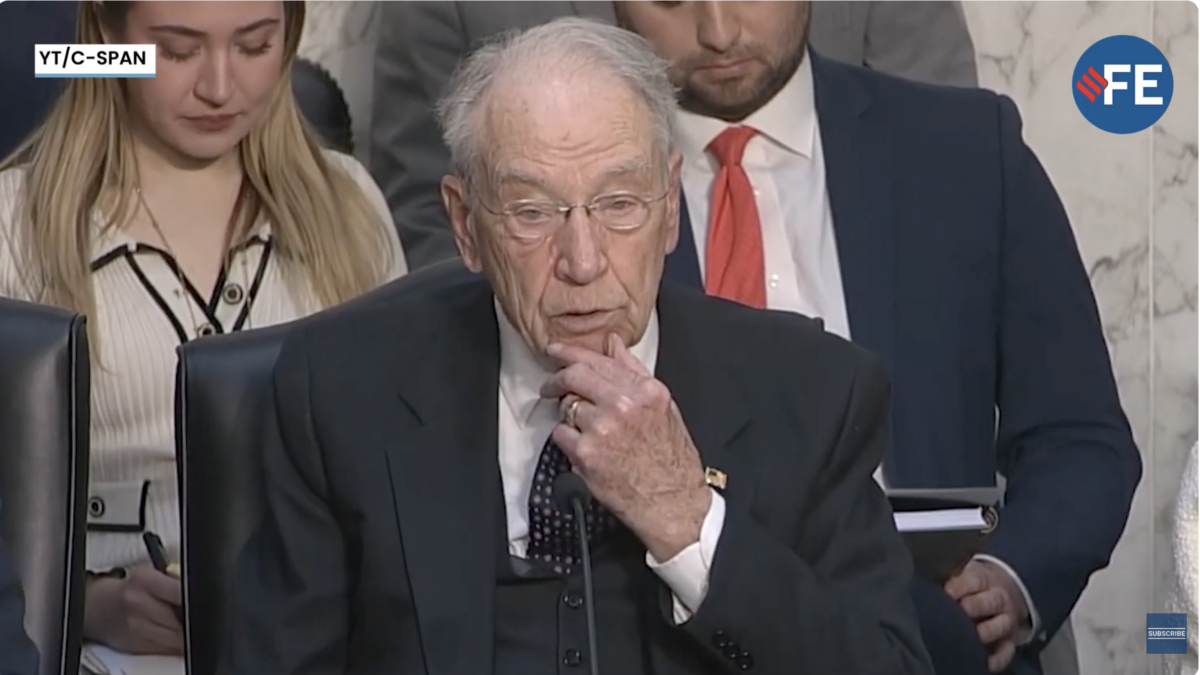
Image via The Federalist
Grassley Praises Trump DOJ for Pulling Back the Curtain on Biden-Era Coverups
Sen. Chuck Grassley is calling Trump’s Justice Department the most transparent in recent memory, arguing that sunlight is finally reaching corners of Washington that spent years operating like a closed shop. The thrust of his praise isn’t about personalities as much as process: document releases, clearer lines of accountability, and fewer stonewalls when Congress asks basic questions.
For business owners, “transparent” isn’t a talking point, it’s a cost line. When agencies and prosecutors run on secrecy, compliance gets more expensive, risk premiums go up, and small operators without a D.C. law firm wind up paying the most. A DOJ that’s predictable and willing to explain itself doesn’t just help politics; it stabilizes the environment where capital decisions get made.
There’s also a market angle here. If the department is truly surfacing “dark secrets,” expect second-order impacts: reputational shocks, contract reviews, and a renewed focus on how certain programs were administered. In real estate terms, think of it like discovering undisclosed structural issues after you bought the building: somebody’s about to eat the remediation cost, and investors start demanding better inspections going forward.
🏛 Wade's Take: I don’t need DOJ press conferences; I need a DOJ that plays it straight and answers lawful oversight. When government agencies learn they can hide the ball for years, they get sloppy and political, and that’s poison for confidence. If transparency is real, keep it going even when it embarrasses Republicans—because the standard has to outlast any one administration.

Image via Washington Examiner
U.S. Hits Iran’s Coastal Targets to Keep Hormuz Open—and Your Fuel Bill Lower
The U.S. struck targets along Iran’s coastline for a second straight day, aiming to degrade Iran’s ability to control the Strait of Hormuz after President Trump declared the memorandum of understanding “over.” The Strait is the kind of chokepoint markets obsess over because a handful of decisions and a few fast boats can change global energy pricing overnight.
If you run a company, you already know what sustained energy volatility does: it jacks up freight, materials, insurance, and everything tied to construction and operations. Commercial tenants feel it too, and when tenants feel it, rent collections and renewals get harder. Wall Street talks geopolitics; Main Street lives it in the form of higher input costs and customers who suddenly tighten spending.
The other piece is the signal: the U.S. is telling traders and allies it’s willing to use force to maintain free navigation. That may calm futures in the short run, but escalation risk remains the wildcard. Markets can handle bad news; what they can’t price well is uncertainty that keeps changing shape week to week.
🏛 Wade's Take: Keeping Hormuz open is not optional if we want stable prices and a functioning economy, and I’m glad we’re acting like a serious country again. But I also want a clear objective, clear timelines, and a plan that doesn’t drift into an endless mission. The best outcome is deterrence that sticks—because the fastest way to punish American families is to let energy become a geopolitical plaything.

Image via National Review
The Platner Blowup Shows What Happens When Politics Replaces Vetting
National Review argues the “Platner disaster” was powered by Trump Derangement Syndrome—Democrats so consumed with opposing Trump that they lowered their standards and elevated questionable candidates. The piece makes a broader point: when a party runs on hatred, it starts hiring on emotion instead of competence, and you eventually get a résumé that doesn’t survive daylight.
From an investor’s perspective, this is what bad governance looks like at the personnel level. Companies that hire to satisfy office politics eventually get operational failures; political parties do the same thing. And when the wrong people end up near levers of power, the consequences show up as regulatory chaos, unpredictable enforcement, and policy zigzags that punish long-term planning.
The irony is that extreme negativity is usually marketed as “saving democracy,” but it tends to corrode the basics: character checks, fiscal discipline, and seriousness about outcomes. Voters can smell performative outrage, especially when it’s paired with mismanagement and excuses.
🏛 Wade's Take: I’ve hired plenty of folks over the years, and one rule never changes: if you don’t vet, you pay—always. If Democrats want to beat Trump, they should try competence and a real economic plan instead of panic-driven candidate shopping. Conservative voters should treat every scandal like a reminder that institutions aren’t self-correcting; citizens have to demand standards.
Lebanon Stays a Puzzle: Another U.S.-Brokered Deal with Soft Spots
The American Conservative warns that the new U.S.-brokered memorandum of understanding between Israel and Lebanon carries familiar weaknesses, echoing past efforts that looked tidy on paper but struggled in practice. Lebanon’s political fragmentation, militia influence, and economic dysfunction make “stable agreement” a high bar even when all parties say the right things.
The U.S. keeps getting pulled into these arrangements because instability spills over—shipping routes, energy infrastructure, and regional security. But MOUs that rely on actors who can’t or won’t enforce terms become paperwork substitutes for strategy. Markets can live with risk; what scares capital away is persistent ambiguity about who controls territory and whether contracts and borders mean anything.
For Americans, the question isn’t whether diplomacy is good; it’s whether it’s credible. A deal that can’t be enforced becomes an invitation for brinkmanship, which then demands more U.S. attention, more money, and more military posture to compensate for weak on-the-ground realities.
🏛 Wade's Take: I’m for diplomacy, but I’m allergic to agreements that require everyone to “trust the process” while the bad actors keep their leverage. If we’re brokering deals, we should build in enforcement and consequences that don’t depend on wishful thinking. Otherwise we’re just writing checks—financial and strategic—for problems we refuse to define honestly.
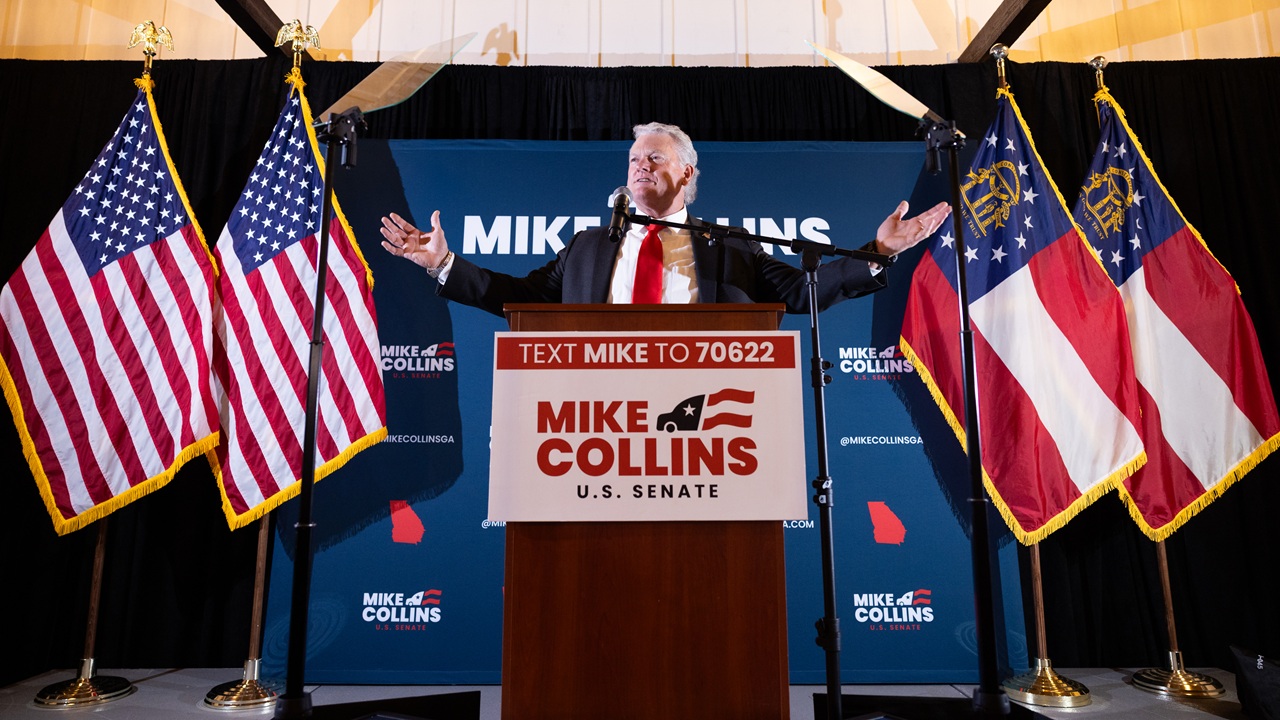
Image via The Daily Signal
New Georgia Numbers: Trump Rebounds, and Republicans Smell a Winnable Map
The Daily Signal reports new polling in Georgia showing a material rebound for President Trump, with Republicans seeing improved odds as his approval rises. The piece suggests candidates like Jackson and Collins have viable paths as the political mood shifts heading deeper into the cycle.
Georgia matters because it’s not just a political trophy; it’s an economic engine with logistics, manufacturing, and a booming metro real estate footprint. When the state’s political direction looks more predictable, businesses make longer commitments—distribution hubs, expansions, and multi-year leases. When it looks shaky, companies hedge, and that caution shows up in hiring and capex.
Polling is not destiny, but it is information, and investors trade on changing probabilities. A Republican upswing signals potential changes in regulatory tone, energy posture, and tax expectations—factors that influence everything from small-business margins to the discount rate buyers apply to income-producing property.
🏛 Wade's Take: Georgia voters are pragmatic, and they respond to results, not lectures. If Republicans want to win, talk cost of living, energy, crime, and schools—and then act like you’re ready to govern the day after Election Day. As an investor, I watch polling like weather: it doesn’t control my decisions, but it tells me when to batten down or lean in.
I’m Wade Lawson. Keep your head on a swivel, keep your balance sheet strong, and don’t let Washington’s noise drown out what moves money in the real world.
— Wade Lawson