Sponsored By:
The Fed held rates, inflation is still above target, and uncertainty is rising — that means the "buy anything AI" trade is over. Smart money is rotating fast toward the companies actually building AI infrastructure: chips, cloud capacity, and mission-critical data tools. Big Tech alone is projected to spend $635B–$665B on AI in 2026 — and not all of it is going where most investors are looking.
We've identified 9 AI stocks worth watching right now — including a lesser-known chip name tied to U.S. AI infrastructure, a cloud player with improving setup, and a data analytics company with government exposure. This isn't hype. It's about following where capital is actually being deployed.
Get the Free Report NowBy clicking the link above, you will receive this free report and a free subscription to the StockEarnings daily email newsletter. You are also agreeing to the terms of our Privacy Policy. Unsubscribe at any time.

Friday’s roundup looks at the Trump-Xi optics, the Iran war’s political fracture lines, election integrity charges in Pennsylvania, and a tech firm learning the hard way that “please quit” packages aren’t a substitute for leadership.
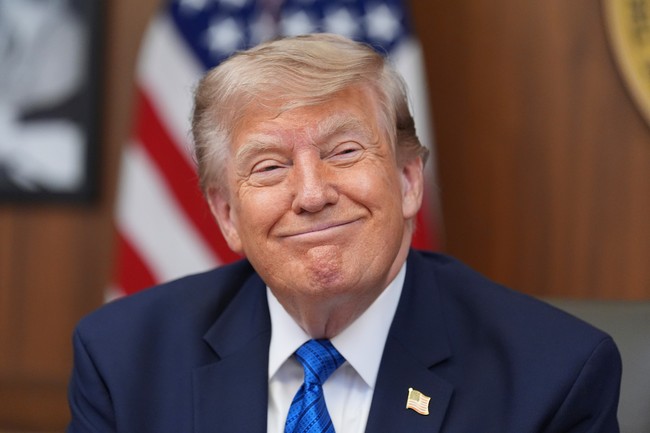
Image via RedState
Nice Try: Corporate Media Can’t Land a Punch on Trump’s Xi Dinner
Thursday’s Trump-Xi White House dinner was supposed to be another made-for-TV “gotcha” moment for the usual networks. Instead, coverage from CNN and MSNBC’s new lineup reportedly turned into a muddled mix of tone policing, speculative outrage, and awkward framing that didn’t match what viewers could plainly see: two heads of state doing high-visibility diplomacy.
From an economic angle, that matters more than the cable-news choreography. Markets don’t price in snark; they price in probability. When the public sees a functioning channel between Washington and Beijing, the temperature comes down a notch, and that translates into real dollars across exporters, importers, retailers, and any small business owner trying to plan inventory, pricing, or equipment purchases six months out.
It’s also a reminder that the legacy media’s business model is conflict merchandising. They want the audience addicted to panic, because panic keeps people from changing the channel. But business owners know you can’t run a shop on adrenaline forever.
🏛 Wade's Take: If the press can’t cover a diplomatic dinner without acting like the opposition party, people are going to keep tuning them out. I don’t need Trump to “win the night” on cable; I need the adults in the room to keep trade lanes, capital markets, and interest-rate expectations from getting worse. The media’s meltdown is noise, and serious investors treat it like noise.
📎 RedState
Iran War Day 210: Walkouts, War Weariness, and a Peace Offer Nobody Trusts
On day 210 of the Iran war, delegates reportedly walked out during Israeli Prime Minister Benjamin Netanyahu’s speech, underscoring how fractured the international politics around this conflict has become. The American Conservative also notes Iran’s president urged the United States to return to a framework peace deal, a signal aimed at shifting blame and reshaping the diplomatic narrative.
For Americans, the war’s cost isn’t theoretical. Prolonged conflict bleeds into energy markets, shipping insurance, and global risk premiums. That filters down fast: diesel costs for local contractors, higher delivery costs for small retailers, and a tougher operating environment for anyone already dealing with higher financing rates.
Politically, the walkouts are a warning that coalition management is getting harder, not easier. When partners start grandstanding mid-speech, it tells you the room is preparing for the next phase: negotiating leverage and reputational cover, not unity.
🏛 Wade's Take: A “framework peace deal” from Tehran is marketing until proven otherwise, and I wouldn’t stake American security on promises from a regime that survives on leverage and proxies. But I also don’t want an endless war that turns into a permanent tax on working families through fuel, inflation, and debt. The conservative goal should be decisive strategy, clear objectives, and an exit ramp that doesn’t look like surrender.

Image via The Hill
Trump Gives Xi the Helipad Tour: Optics, Power, and the Real Negotiations
President Trump toured Chinese President Xi Jinping around new White House projects, including the helipad and Marine One area, during Xi’s state visit. The Hill reports the tour as part of the broader summit optics, with Trump showing off physical upgrades and the machinery of American executive power.
People roll their eyes at symbolism, but symbolism is part of statecraft. In real estate terms, it’s curb appeal with purpose: you’re signaling strength, capacity, and permanence before you sit down to talk price. And when the other side is China, you should assume every detail is read as a message about confidence, stability, and control.
For business and markets, the key is what follows the photo ops: any movement on tariffs, export controls, supply-chain rules, and capital access. If this visit reduces the odds of sudden escalation, that alone is worth something to investors trying to handicap next year’s earnings and the next two years’ capex plans.
🏛 Wade's Take: I’m fine with Trump projecting strength and letting Xi see the hardware up close, because negotiation is never just words. But I care less about the tour and more about the term sheet: trade clarity, enforcement, and protections for American IP and strategic industries. If we get stability without selling out our leverage, that’s a win for Main Street and portfolios alike.
📎 The Hill

Image via NTD
Pennsylvania Election Fraud Charges: Four Noncitizens, One Big National Problem
NTD reports four noncitizens have been charged with election-related crimes in Pennsylvania. The cases reportedly involve individuals with different immigration statuses, but the headline point is the same: people who are not citizens are being accused of interfering with a process reserved for citizens.
You don’t have to believe every internet rumor to recognize a basic principle: election systems should be built to prevent abuse, not just punish it after the fact. In business, we don’t wait for the third theft before installing cameras and tightening access controls. We design controls because prevention is cheaper than cleanup.
This also carries economic consequences. When confidence in elections drops, political risk rises, and markets hate political risk. Businesses delay hiring, investors demand a higher return to compensate, and communities pay for it through slower growth and weaker property value momentum.
🏛 Wade's Take: If noncitizens can slip into the voting process anywhere, even in small numbers, the system is not tight enough. Secure ID, clean rolls, and hard verification aren’t “controversial” in the real world; they’re basic controls. A country that can run trillion-dollar payment rails can run an election that’s transparent, verifiable, and trusted.
📎 NTD
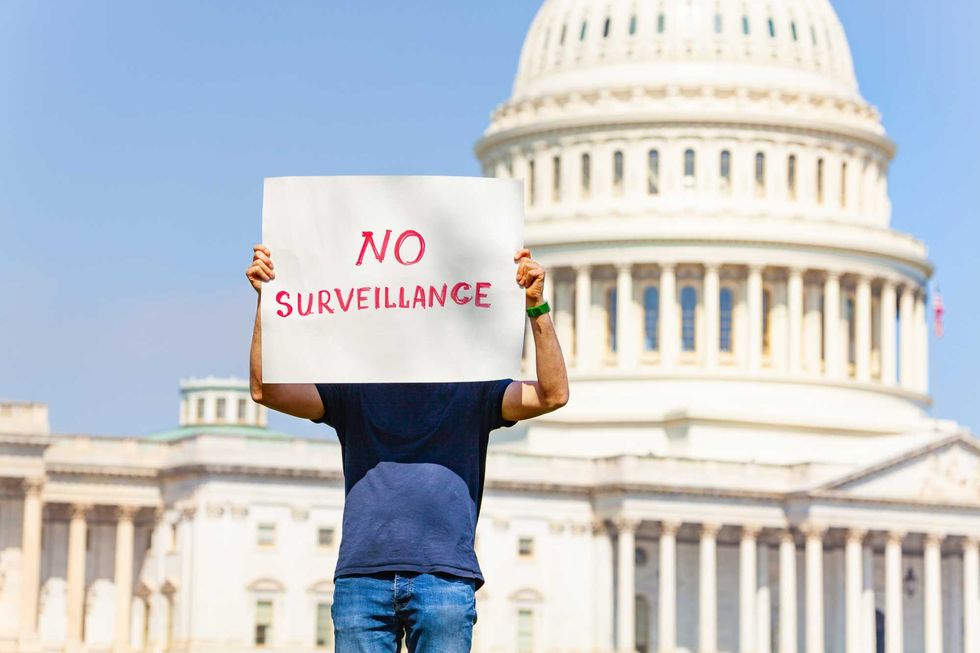
Image via The Blaze
Flock’s “Take the Money and Leave” Offer: A Tech Lesson in Culture and Accountability
The Blaze reports that Flock Safety offered employees money to leave through a voluntary separation program, sparking backlash that has continued to intensify. According to the reporting, the internal message and the reaction suggest a company trying to reset headcount and costs while navigating criticism about how it’s handling the process.
Every operator understands labor is a major line item, and sometimes you have to right-size. But how you do it matters. A cash offer to exit can be a clean solution when it’s transparent, respectful, and paired with a coherent strategy. When it feels like a quiet shove out the door, it turns into morale damage, brand risk, and productivity loss that costs more than the severance package.
There’s also a larger lesson for the market: surveillance-adjacent tech lives under a political microscope. Companies in that lane don’t get the luxury of sloppy communications or ambiguous ethics. Investors should watch not just revenue growth, but churn, regulatory exposure, and the company’s ability to recruit and retain serious engineering talent.
🏛 Wade's Take: If you’re paying people to leave, the problem usually isn’t just payroll, it’s leadership clarity. A voluntary exit program can be smart, but only if it’s part of a disciplined plan and communicated like adults, not like a PR experiment. As an investor, I see backlash like this as a risk premium: higher uncertainty, higher talent costs, and potentially lower valuation.
That’s the week from where I sit: keep your risk managed, your principles intact, and your eye on where policy turns into prices. See you next issue. — Wade Lawson, The Local Conservative
— Wade Lawson