Sponsored By:
AI is leaving the screen and entering the real world—robots, factories, vehicles, intelligent machines. A new wave of market leaders is forming right now, and the investors who move early could have a serious edge. Wait for the headlines, and you'll be buying into Wall Street's next crowded trade.
We put together a free report revealing 5 stocks positioned at the center of the Physical AI revolution—including the technologies, growth drivers, and risks you need to know. Your copy is available now, but not indefinitely.
Get the Free Report NowBy clicking the link above you agree to receive emails from StockEarnings and our affiliates. You can opt out at any time. Privacy Policy.

Five moves in Washington this week that will hit markets, small business costs, and America’s leverage abroad.
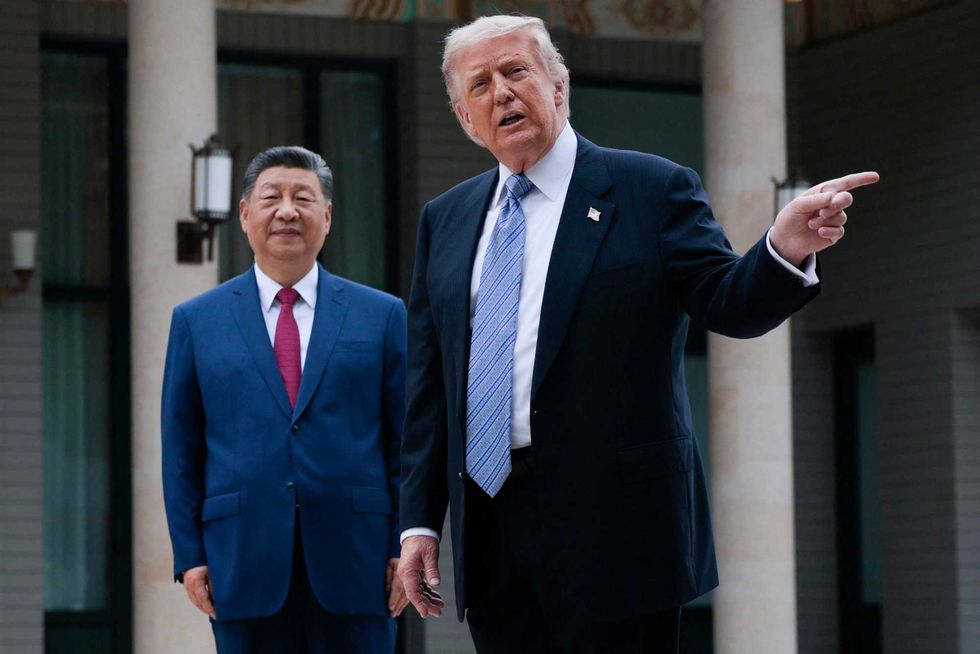
Image via TheBlaze
Trump Rolls Out the Red Carpet for Xi — and Every CEO in America Should Pay Attention
President Trump is set to receive Chinese President Xi Jinping for a state visit, personally greeting him as he arrives at Joint Base Andrews. It’s the first state visit of its kind in more than a decade, and it’s happening at a moment when trade, tech restrictions, and capital flows are already reshaping how American companies plan their next five years.
A visit like this is not just pomp and protocol. It’s a signal to markets that both sides see enough upside in stability to at least try to manage the relationship in public, even if they’re grinding it out behind closed doors on tariffs, export controls, Taiwan, and supply chains.
For investors and business owners, the immediate question is whether this produces a framework that reduces headline risk or just a photo-op that buys time. Either way, you can expect a fresh round of positioning in industrials, semiconductors, commodities, and shipping the minute any real language comes out of the meetings.
🏛 Wade's Take: If you run a business that touches China in any way, don’t treat this like diplomatic theater. This is about rules of the road: tariffs, licensing, and what kind of “permission structure” Washington will tolerate for U.S. capital and technology. My play is to stay diversified, keep quality U.S. domestics front and center, and treat any China-related rally as tradable until the ink is actually dry.
📎 TheBlaze
Trump Says Iran Talks Have ‘Momentum’ — Energy Traders Hear That Loud and Clear
President Trump says U.S.-Iran negotiations on the sidelines of the U.N. General Assembly “went very well,” adding there is “momentum” toward a deal. The talks reportedly ran about three hours, and the White House is signaling continued engagement with regional partners as the diplomatic track develops.
Whenever Washington uses words like momentum, markets start doing math. A deal narrative can shift expectations around sanctions enforcement, Iranian oil exports, insurance and shipping risk in the Gulf, and the overall geopolitical premium baked into crude prices.
That doesn’t mean a handshake is coming tomorrow. Iran negotiations have a long history of optimism followed by hard ceilings, and the gap between “talks went well” and “we can verify compliance” is where price volatility lives.
🏛 Wade's Take: Lower energy prices help every family and every small business, but a cheap barrel that’s built on wishful thinking can snap back fast. I’m fine with tough, verifiable diplomacy that reduces risk and protects American interests, not paper promises that fund bad actors. As an investor, I wouldn’t bet the farm on a straight-line drop in oil until enforcement and verification are real.

Image via Just the News
Camp Mystic Under Criminal Probe After Deadly 2025 Flood — Liability Is Catching Up
Camp Mystic is facing a criminal probe tied to deaths from the lethal 2025 flood, according to reporting that notes the camp filed for bankruptcy this year. The family that has owned and operated the camp has spent much of the past year in hearings connected to the incident.
When tragedies collide with questions about preparedness, warnings, and decision-making, the legal system moves from civil claims to criminal scrutiny in a hurry. That shift matters beyond this one case because it changes how insurers price risk, how lenders underwrite properties in flood-prone areas, and how operators document safety procedures.
For property owners, this is another reminder that “acts of God” don’t automatically erase responsibility if regulators and courts believe human choices worsened the outcome. In an era of higher premiums and tighter credit, one catastrophic event can wipe out years of work.
🏛 Wade's Take: I hate seeing families suffer, and if negligence played a role, accountability is part of justice. But we also need to be honest: we’ve built and permitted a lot of development with rosy assumptions about flood risk, and operators are paying for it now. If you own property or run facilities near water, your emergency planning and documentation aren’t paperwork — they’re survival.

Image via The Hill
DOJ Defends Trump’s White House Media Ban: ‘Access Is a Privilege’
The Justice Department is defending President Trump’s decision to ban CNN, MS Now, and Politico from the White House, arguing that access to the complex is a “privilege.” The administration is pushing back in court against a lawsuit challenging the ban.
This fight sits at the intersection of executive power, press access, and the practical reality that modern media is both information and industry. The White House wants to control the room; the outlets want institutional access that helps them compete, break stories, and shape narrative.
From a business angle, it’s also about gatekeeping and brand leverage. The moment “access” becomes a reward system, every media company has to decide whether to adjust coverage, double down on antagonism, or build alternative reporting pipelines that don’t rely on press badges.
🏛 Wade's Take: The First Amendment protects speech, not front-row seating. If an outlet wants to cover the president, it can do it every day without a credentialed spot inside the building. But I also don’t want a future where any administration turns access into a political weapon — the cleanest answer is transparent, content-neutral rules that courts can respect and taxpayers can understand.
📎 The Hill
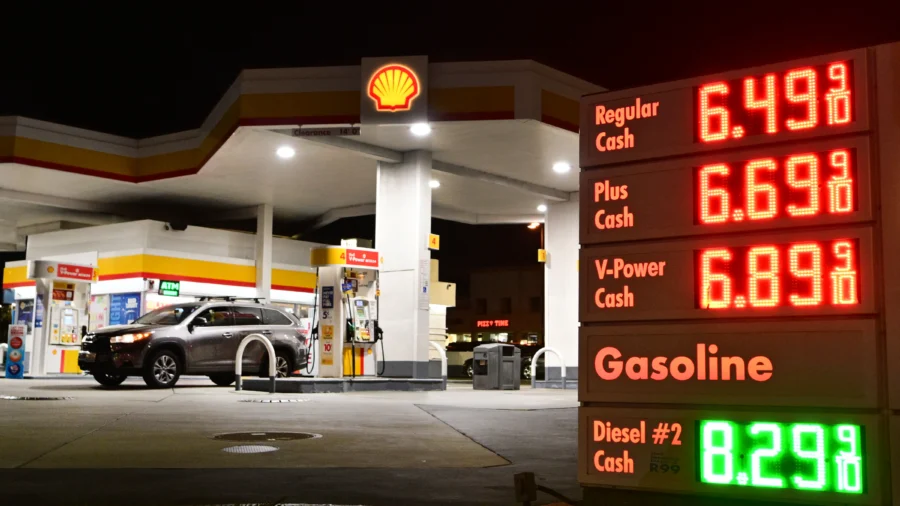
Image via NTD
Trump Floats Temporary Diesel Export Ban as Fuel Costs Bite — But Watch the Second-Order Damage
President Trump is backing a temporary ban on diesel exports as fuel prices ripple through the economy. The move comes as diesel costs hit transportation, construction, farming, and basically every supply chain that keeps shelves stocked and job sites running.
On paper, restricting exports can boost domestic supply and cool prices, which sounds like relief for working families and businesses trying to bid jobs without getting crushed by fuel swings. But diesel is a global market, and policy interventions can create unintended consequences: refinery margins, distribution logistics, and retaliation risk from trading partners.
For commercial real estate and small business, diesel is not an abstract number on a ticker. It’s embedded in delivery fees, asphalt, concrete, HVAC installs, landscaping, and the cost to keep equipment moving. When diesel spikes, inflation isn’t theoretical — it shows up in invoices.
🏛 Wade's Take: I understand the instinct to protect Americans first, because diesel is the bloodstream of the real economy. Still, bans are blunt instruments, and blunt instruments tend to break things you didn’t mean to hit, especially in energy markets. If the goal is lower prices, I’d rather see increased refining capacity, regulatory clarity, and real domestic production than a policy that could whipsaw supply chains later.
📎 NTD
Wade Lawson | The Local Conservative — News For Every Conservative
— Wade Lawson