Sponsored By:
Tax season creates hidden market shifts that can mislead investors. Refunds hit accounts, portfolios get rebalanced, and positions move to cover obligations — creating liquidity changes that make small-cap moves appear more meaningful than they actually are.
Our 2026 Market Flow Briefing reveals how tax-season liquidity affects market action, why current moves seem disconnected from fundamentals, and exposes one profitable setup emerging under these exact conditions.
Get the Free Briefing*We encourage readers to perform their own research and due diligence on any information we provide. By clicking the link you will automatically be subscribed to the Stock Wire News Newsletter.

What happens when geopolitics meets your portfolio — and why the next six months will test everything conservatives claim to believe
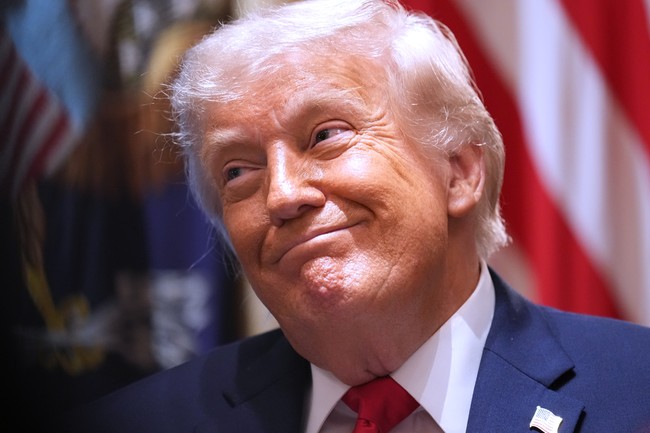
Image via PJ Media
Trump Closes Iran Deal — Now Comes the Hard Part
President Trump announced Sunday that a comprehensive peace agreement with Iran has been finalized, marking what he's calling "the end of four decades of hostility" between Washington and Tehran. The deal reportedly includes strict nuclear inspections, removal of U.S. sanctions, and normalization of trade relations. Trump framed it as a win for American business interests and regional stability, claiming it will "unlock trillions in economic opportunity" while keeping Iran's nuclear ambitions in check.
The announcement comes after months of quiet negotiations and follows significant military tensions earlier this year that had markets on edge. Details are still emerging, but early reports suggest the deal includes provisions for American companies to bid on Iranian infrastructure projects and energy partnerships — a potential windfall for U.S. firms locked out of that market since 1979.
🏛 Wade's Take: I'll believe it when I see the inspection reports and the ink is dry. Peace is good for business, and God knows we need stability in energy markets — but Iran has broken every promise they've ever made. If this deal actually sticks and opens up legitimate business opportunities without giving them a path to nukes, it's the kind of win that puts real money in real pockets. But I'm watching this one like a hawk watches a henhouse.
📎 PJ Media

Image via The Hill
New Fed Chair Warsh Caught Between Trump and Ugly Inflation Numbers
Kevin Warsh is about to chair his first Federal Reserve monetary policy meeting, and the timing couldn't be worse. May's inflation report came in hotter than a pistol — core CPI up 4.8% year-over-year, well above the Fed's 2% target and higher than economists expected. That puts Warsh in an impossible spot: raise rates and risk choking off growth (and drawing Trump's wrath), or hold steady and watch inflation keep eating away at Americans' purchasing power.
Warsh, who Trump tapped to replace Jerome Powell earlier this year, has historically been hawkish on inflation but also sympathetic to growth-oriented policies. The markets are pricing in a 60% chance of a rate hold this week, but bond traders are getting nervous. The 10-year Treasury has been bouncing around, and real estate investment trusts — always the canary in the coal mine for rate policy — have sold off 8% in the past two weeks.
🏛 Wade's Take: This is what happens when you let inflation get loose — somebody eventually has to kill it, and the medicine tastes terrible. Warsh knows you can't build real wealth on a foundation of fake money, but he also knows Trump wants growth numbers that look good for 2028. My money says he holds this month, jawbones about future tightening, and hopes the number moderates on its own. Hope isn't a strategy, but it's all he's got right now.
📎 The Hill
Iran Deal Puts VP Vance in a Political Vise
J.D. Vance campaigned as the heir apparent to Trump's America First movement, but the Iran peace deal may have just complicated his path to 2028 considerably. Vance has spent the past year positioning himself as more hawkish than Trump on foreign policy, particularly regarding Iran, arguing that the regime can't be trusted and that maximum pressure is the only language Tehran understands. Now his boss just cut a deal that undermines that entire argument.
The political calculus is brutal: if Vance endorses the deal enthusiastically, he looks like he has no principles of his own. If he criticizes it, he's breaking with Trump and potentially alienating the MAGA base that he needs to win the nomination. Conservative foreign policy hawks are already grumbling, and some are openly questioning whether Vance will challenge the deal or fall in line. His next move will tell us everything about whether he's his own man or just Trump's placeholder.
🏛 Wade's Take: Vance is learning what every VP learns — you're not the principal, you're the hired help. But here's the thing: if this Iran deal works, Trump looks like a genius and Vance can ride that to the White House. If it falls apart, Vance can say "I told you so" and position himself as the tougher option. Either way, he needs to stop talking to think tank types and start talking to voters who care more about gas prices than geopolitical theory.

Image via New York Post
AI Company Talks Doomsday, Then Cries Foul When White House Takes Them Seriously
Anthropic, the AI company that's spent months warning Congress and anyone who'll listen about existential risks from artificial intelligence, is now complaining that the White House took them at their word. The administration banned the company's 'Mythos' and 'Fable' AI models last week over national security concerns, and Anthropic immediately pivoted to downplaying the very risks they've been hyping. The company issued a statement calling the ban "unnecessary" and insisting their models pose "manageable, not catastrophic" risks.
White House officials aren't buying it, and frankly, neither am I. Trump administration sources told reporters that Anthropic has been playing both sides — fear-mongering to justify more regulation that would lock out competitors, then crying victim when that regulation actually affects their own bottom line. It's the oldest game in the book: use government power to create a moat around your business, then act shocked when that power gets used in ways you don't like.
🏛 Wade's Take: This is regulatory capture 101, and these Silicon Valley types think we're too stupid to see it. You can't spend months telling everyone your product might end humanity, then act surprised when the government says "okay, maybe we shouldn't let you build that." I've got zero sympathy. If your business model depends on convincing Washington that only you can be trusted with dangerous technology, don't whine when Washington decides nobody can be trusted.
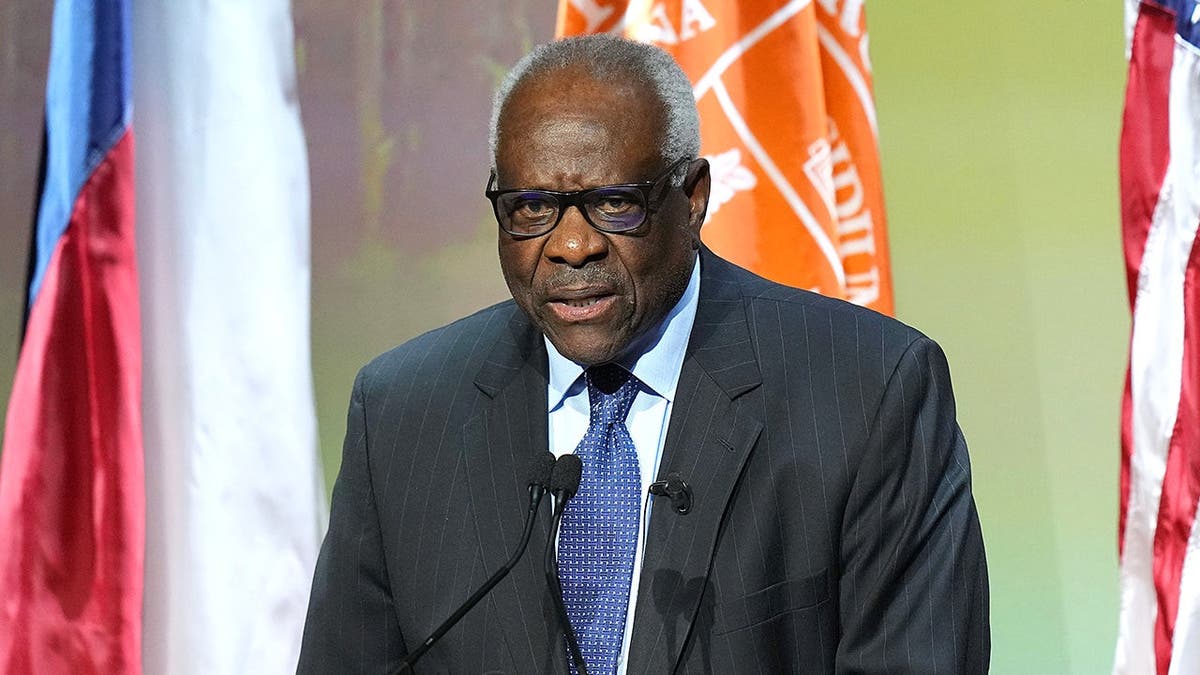
Image via Fox News
Clarence Thomas and the Declaration We Forgot We Had
As America approaches its 250th birthday, Justice Clarence Thomas has emerged as the Supreme Court's most consistent voice arguing that the Declaration of Independence — not just the Constitution — remains the moral and philosophical foundation of American law. In a series of opinions and speeches over three decades, Thomas has insisted that the Declaration's assertion that all men are created equal and endowed with unalienable rights isn't just historical poetry — it's binding political philosophy that should guide constitutional interpretation.
Thomas's view puts him at odds with both progressive jurists who see the Constitution as a "living document" that evolves with modern values, and some conservative textualists who argue courts should stick strictly to constitutional text without reference to broader principles. But Thomas argues that you can't understand what the Constitution means without understanding the Declaration's insistence on natural rights that precede government. It's an originalism rooted not just in 1787, but in 1776 — and in truths the Founders called self-evident.
🏛 Wade's Take: Thomas gets something most politicians and lawyers have forgotten: America isn't just a legal system, it's a moral proposition about where rights come from. They don't come from government, they don't come from majority vote, and they sure as hell don't come from nine lawyers in black robes. They come from our Creator, and government's only job is to protect them. That's not religious zealotry — it's the operating manual for the freest, most prosperous nation in human history.
📎 Fox News
Stay sharp out there. Watch your wallet, watch your portfolio, and remember — peace is good for business, but only if it's real peace. We'll see what we're actually dealing with in the weeks ahead. — Wade
— Wade Lawson