Sponsored By:
Policy is already moving markets in 2026 — trade enforcement, regulatory shifts, and tax positioning are redirecting capital right now. Institutions reposition before the headlines catch up, and the window to act early is closing fast.
Our analysts identified 5 stocks showing real momentum tied directly to current administration policy themes — including the sectors benefiting most from domestic investment trends and regulatory tailwinds. Don't get left behind.
Get the Free Report Now(By following any of the links above, you're choosing to opt in to receive insightful updates from The Investment News Daily + 2 free bonus subscriptions! Your privacy is important to us. You can unsubscribe anytime. See our privacy policy for details.)

From prescription prices to wildfire tariffs to Tehran "peace" headlines moving crude, today’s stories all rhyme: complexity and weakness cost working Americans real dollars.

Image via The Federalist
Obamacare’s Prescription Maze: Designed for Middlemen, Paid for by You
The real trick in the Obamacare-era prescription market isn’t that drugmakers like profit. It’s that the system got built to be complicated on purpose, with so many layers of rebates, formularies, PBMs, and opaque contracts that the person paying at the counter can’t tell who’s skimming what. When you can’t see the pricing, you can’t discipline it.
That complexity rewards scale. Conglomerates and entrenched players can hire the lobbyists, compliance teams, and “benefits experts” to navigate the maze, while smaller firms and independent pharmacies get squeezed. If you’re a small business owner trying to offer coverage, you’re not negotiating a clean price for insulin or blood pressure meds; you’re negotiating inside a rigged casino where the house sets the rules.
The economic consequence is straightforward: higher household costs and higher employer benefit costs, which show up as smaller raises, fewer hires, and more people dropping coverage altogether. This isn’t just a healthcare story; it’s a payroll story.
🏛 Wade's Take: If you want prices to come down, you’ve got to drain the swampy pool where the rebates and backroom deals live. Real transparency and real competition beat thousand-page “reforms” every time. Obamacare didn’t just expand coverage; it expanded the rent-seeking class that feeds off complexity, and regular families are the ones footing the bill.
Image via Washington Examiner
Canada’s Wildfire Smoke Is America’s Problem — and Trump Wants a Price Tag on It
Canadian wildfire smoke is back in U.S. cities, and it’s not just an inconvenience. It shuts down outdoor work, hits small retailers and restaurants, disrupts travel, and sends vulnerable folks to urgent care. When that haze rolls in, it’s an economic tax on American communities that never voted for Canada’s forest policies.
President Trump’s argument is simple: if Canada’s land management failures are exporting pollution across the border, then Canada shouldn’t get to shrug and call it “nature.” The piece makes the case for imposing costs through tariffs or other measures so the incentive structure changes. In business terms, it’s making the party causing the damage share the bill.
For markets and Main Street, the bigger point is that cross-border externalities are real. Whether it’s smoke, water, energy, or supply chains, America should stop being the polite customer that pays full price while others offload their mess onto us.
🏛 Wade's Take: I’m fine with friendly neighbors, but friendly doesn’t mean free. If Canada’s choices are harming American health and commerce, we ought to use the tools we have to force better behavior, including targeted trade pressure. Conservatives should be clear-eyed: accountability isn’t “anti-Canada,” it’s pro-American communities and pro-working families.

Image via National Review
Don’t Let Beijing “Take the Fifth” on Covid — This Is About Power, Not Partisanship
The question of Covid’s origin has never been purely scientific or purely political. It’s geopolitical: it involves state secrecy, international institutions, and whether the world’s second-largest economy can stonewall accountability with a straight face. If China can run out the clock on something that disrupted global commerce, killed millions, and rewired supply chains, then every future crisis gets harder to manage.
The National Review piece warns that domestic squabbles are crowding out the central issue: the United States needs a coherent posture that treats the origin question like a national-interest investigation. That means demanding records, demanding access, and refusing to let international “process” become a graveyard where inconvenient questions go to die.
For investors and business owners, the origin question ties directly to risk pricing. Biosecurity, supply-chain reshoring, China exposure discounts, and regulatory response all hinge on whether the world learns the truth and changes behavior, or whether we accept a precedent of global-scale negligence with no consequences.
🏛 Wade's Take: When somebody burns your building down, you don’t call it “divisive” to ask how the fire started. China doesn’t get to hide behind slogans and bureaucrats while the rest of the world pays the bill in lives and lost wealth. Conservatives should push for relentless transparency, because accountability is the only language regimes like that respect.
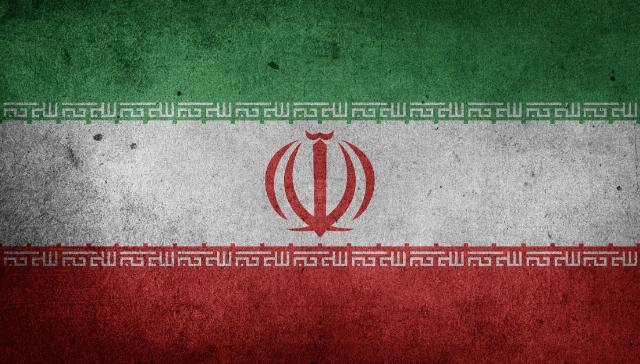
Image via American Thinker
Negotiating with Iran: They Stall, They Smile, and They Keep Building Leverage
Dealing with Iran isn’t like dealing with a normal state that wants stable trade and predictable diplomacy. It’s a revolutionary regime that uses time as a weapon: delay talks, extract concessions, fund proxies, and keep its adversaries guessing. The American Thinker piece paints the picture of negotiations where “progress” is often just a new way to postpone consequences.
That matters because Iran’s behavior shows up in real-world costs: shipping risk, insurance premiums, energy volatility, and defense spending. When the Middle East heats up, it doesn’t stay “over there.” It hits fuel prices, it hits logistics, and it hits consumer confidence.
If you’re trying to run a business, you learn pretty fast that you can’t negotiate effectively with someone who breaks every term and then demands another extension. Nations aren’t so different. The more the West signals desperation for a deal, the higher the price becomes.
🏛 Wade's Take: Iran responds to strength and clarity, not wishful thinking. Every “deal” that hands them time without forcing verifiable change is just financing the next crisis. From an investor’s standpoint, you don’t bet your balance sheet on the promises of a counterparty with a long record of default.
Oil Drops on Iran Peace Chatter While Japan Props Up the Yen — Markets Smell a Head Fake
Reuters reports oil prices sliding on hopes of an Iran peace deal, while the yen firmed after apparent intervention. That’s a classic split-screen day: geopolitics pushing energy lower on optimism, and central banks stepping into currency markets to keep disorder from spreading. Traders love narratives, but they love liquidity even more.
On the oil side, “peace hopes” can move prices fast, but the follow-through is what matters. The Middle East can turn on a dime, and energy traders price that uncertainty into every barrel. For American households, this is the reminder that pump prices don’t just reflect supply and demand; they reflect headlines, risk, and whether shipping lanes feel safe.
On the currency side, a firmer yen after intervention is a warning light for global markets. When governments start leaning on exchange rates, it can calm things short-term, but it also tells you stress is building underneath. Businesses importing equipment or materials should watch FX swings closely, because they sneak into costs long before customers accept higher prices.
🏛 Wade's Take: I’ll take lower oil any day, but I don’t build a plan on “hopes” and press releases. If you’re investing, treat geopolitically-driven dips as temporary until there’s verifiable, durable change, not just a headline pop. And anytime a major currency needs intervention, that’s your cue to tighten risk management, not loosen it.
📎 Reuters
That’s the roundup. Protect your downside, stay skeptical of political “solutions,” and keep your money in assets you actually understand — the kind that still make sense when the headlines change by lunchtime. Wade Lawson Editor, The Local Conservative
— Wade Lawson