Sponsored By:
In 1971, Nixon ended the gold standard in a single 15-minute broadcast — no warning, no debate. Gold tripled in 3 years and rose 20x over the next decade. The people who saw it coming protected their wealth. Everyone else watched their savings quietly erode. History may be about to repeat itself. Trump holds the same executive authority Nixon used — and his own advisors are now openly saying a reversal is on the table.
Reagan Gold Group has put together a free briefing covering exactly what Nixon did, why Trump is the first president positioned to undo it, and the one move you can make right now to be on the right side of what comes next. Free. 30 seconds to request. Don't wait for the Sunday night broadcast.
Get the Free Briefing NowReagan Gold Group does not provide financial, legal, or tax advice. This information is for educational purposes only and should not be considered investment advice. All investments carry risk, including loss of principal. Past performance is not indicative of future results. Consult your licensed financial advisor before making investment decisions. This is an advertisement. If you do not wish to receive messags from this partner, please Unsubscribe. Or write to: 2029 Century Park E Suite 400, Los Angeles, CA 90067.

Thursday, October 8, 2026: Politics is turning into pure resource allocation again: votes, borders, public safety, and disaster response. Here’s where the costs are headed for business owners, families, and markets.

Image via The Hill
Trump Tags Michigan’s El-Sayed as ‘Terrible,’ and the Senate Race Turns Into a Referendum on Progressive Economics
President Trump took aim at Abdul El-Sayed in Michigan’s U.S. Senate race, calling the Democrat a “terrible candidate” as El-Sayed faces Republican Mike Rogers in a tight contest. That’s not just a personality jab — it’s a signal to national donors and activists that Michigan is a priority battleground and that the ideological stakes are front and center.
Michigan is a state where real economy issues still matter: manufacturing costs, energy reliability, union politics, and the price of doing business in places like Detroit, Grand Rapids, and the suburbs that decide elections. When Democrats run hard-left candidates, the downstream effects show up fast: higher regulatory risk, heavier labor mandates, and a state-level push for more taxes and fees that eventually land on employers, homeowners, and renters.
Rogers, meanwhile, doesn’t have to win a debate club trophy; he has to look like the safer bet for jobs, energy, and predictable rules. If this race stays close, expect outside money to flood in, and expect the messaging to tighten around inflation fatigue, public safety, and whether Michigan wants Washington micromanaging the private sector even more than it already does.
🏛 Wade's Take: In business, when someone tells you a candidate is “terrible,” the question is: terrible for who? If El-Sayed means more regulation, more spending, and higher taxes dressed up as compassion, that’s terrible for small employers and property owners who actually have to make the numbers work. Michigan voters don’t need another theory-of-government senator; they need somebody who understands that affordable energy and a stable tax code are what keep paychecks coming.
📎 The Hill
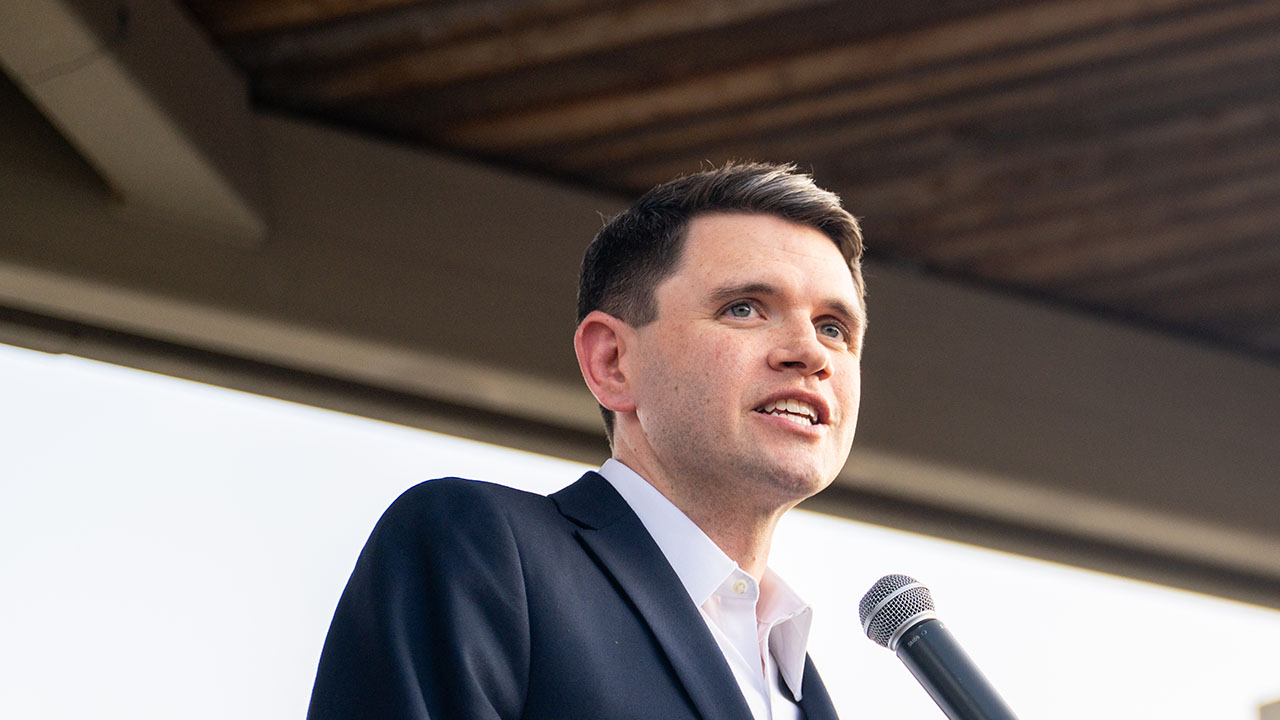
Image via The Daily Signal
Texas Democrat Talarico Tries to Split the Difference on Girls Sports, but Voters Can Read a Voting Record
Democratic U.S. Senate candidate James Talarico is now saying he would oppose trans athletes competing in girls sports when it threatens safety and fairness. The problem, according to reporting on his record, is that his past positions line up with consistent opposition to the kind of guardrails most Texas parents assume are common sense.
This is what campaign season does: it turns firm ideological commitments into carefully worded exceptions. When the base wants one thing and the general electorate wants another, candidates try to thread the needle with conditional language like “if” and “when” and “endangers.” In the real world, those qualifiers become loopholes, and the rule is set by agencies, school districts, and activist lawsuits.
For Texas families, this issue isn’t abstract. It’s about whether the state protects competitive fairness, physical safety, and the integrity of women’s sports scholarships. For businesses recruiting talent to Texas, it’s also about whether state leadership looks steady and grounded, or whether it swings with the latest national talking points.
🏛 Wade's Take: I’ve negotiated enough contracts to know that the fine print is where you get beat. If a candidate has spent years opposing clear standards, don’t buy a last-minute conversion wrapped in soft language. Texas should draw bright lines that protect girls sports, period, and voters should judge candidates the same way a banker judges a borrower: on the record, not the pitch.

Image via Western Journal
SCOTUS Hands Congress a Chance on Deportations — Now Lawmakers Have to Do the Job They Keep Ducking
The Supreme Court recently allowed the Trump administration to resume deporting certain migrants to countries other than their own, via a temporary order ahead of fuller arguments. In plain English: the Court opened a window for enforcement while the legal fight continues, and it put the spotlight back where it belongs — on Congress’ failure to build a durable, lawful immigration system.
Border and immigration chaos isn’t just a cultural argument; it’s an economic one. When enforcement is inconsistent, the labor market gets distorted, wage pressures hit differently across sectors, and legitimate employers end up competing with the underground economy. Cities and counties absorb costs in schools, hospitals, policing, and housing — and those bills get paid by taxpayers and property owners.
The temporary nature of the order matters. Businesses hate uncertainty, and so do local governments trying to plan budgets. Congress has a short runway here to clarify statutory authority, tighten due process timelines without erasing them, and fund enforcement in a way that doesn’t bounce around every time the White House changes hands.
🏛 Wade's Take: A temporary court order is not a border policy; it’s a timeout. Congress should use it to pass laws that actually work: mandatory E-Verify with real penalties, faster adjudication, and a system that prioritizes public safety and lawful entry. If lawmakers waste this window, they’ll be right back to outsourcing immigration policy to judges — and small towns, small businesses, and taxpayers will keep eating the costs.
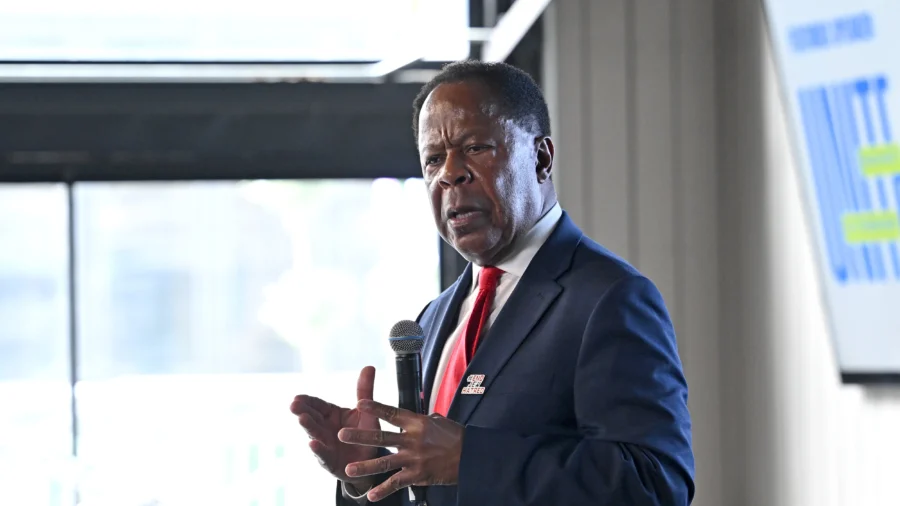
Image via NTD
DC Launches an Antisemitism Tour, but Safety Requires More Than Slogans and Photo Ops
A federal task force to combat antisemitism is announcing a national tour framed as a campaign against hate. The idea is to coordinate messaging, community engagement, and public awareness as incidents and tensions remain elevated across campuses and major cities.
Every decent person should want antisemitism stamped out, and government has a role in prosecuting threats, harassment, and violence. But Americans are right to ask what a “tour” accomplishes beyond speeches and headlines. The real work is law enforcement coordination, transparent reporting, and consequences for institutions that tolerate intimidation or discriminatory conduct under the cover of politics.
There’s also an economic angle that never gets discussed honestly. When public disorder spikes, business districts lose foot traffic, security costs rise, and insurers reprice risk. A city can talk about inclusion all day long, but if it can’t guarantee basic safety and equal protection under the law, investment dries up and the tax base follows it out the door.
🏛 Wade's Take: I’m all for shining a light on antisemitism, but Washington loves a ribbon-cutting more than it loves measurable results. Enforce the law, protect houses of worship, and stop funding institutions that look the other way when harassment shows up in a political costume. If the task force wants credibility, it should publish clear metrics: arrests, prosecutions, and compliance — not just speeches.
📎 NTD

Image via Washington Examiner
Hurricane Isaias Aims at the Gulf: A Real-World Stress Test for Insurance, Energy, and Local Economies
The Gulf Coast is bracing for Hurricane Isaias, forecast to arrive as a Category 2 storm late Friday or Saturday and billed as the first hurricane of the season. Residents and businesses across the region are preparing for high winds, storm surge, and the familiar mix of power outages, supply disruptions, and evacuation decisions.
For homeowners and small business operators, the hard truth is that storm risk has become a recurring balance-sheet event. Deductibles are higher, policies are narrower, and many property owners are already fighting renewal shock. After the storm, the pain doesn’t stop at cleanup; it continues in contractor shortages, material price spikes, and the slow grind of claims processing.
The market impact is not theoretical either. Gulf storms ripple through energy infrastructure, shipping lanes, and regional logistics. That affects fuel prices, construction timelines, and the cost of goods nationwide. Local governments will also be tested on preparedness, debris removal, and whether permitting and inspections can move fast without turning into a bureaucratic choke point.
🏛 Wade's Take: If you’re on the Gulf, this is when you find out whether your planning was real or just a checklist. Photograph everything, back up records offsite, know your policy limits, and get ahead of cash needs because claims take time and payroll doesn’t wait. And for the folks in charge: clear roads, restore power, and cut red tape after landfall — recovery is economic policy.
That’s the rundown. Keep your head on a swivel, your expenses tight, and your principles tighter. See you tomorrow — Wade Lawson, The Local Conservative
— Wade Lawson