Sponsored By:
Global tensions are quietly reshaping the market — and Street Ideas has identified three under-the-radar small-cap stocks tied to defense infrastructure, energy security, and next-generation technology that are already starting to move.
These shifts don't wait. Our free Market Themes Report breaks down exactly what's happening, why these sectors are heating up, and which three small-caps are appearing on our radar right now — before the crowd catches on.
Get the Free Market Themes Report*We encourage readers to perform their own research and due diligence on any information we provide. By clicking the link you will automatically be subscribed to the Street Ideas Newsletter.

Five stories, one bottom line: security, infrastructure, and education are economic issues first. If we want a nation that can defend itself, move goods, and raise capable kids, we need policies that respect reality instead of press releases.
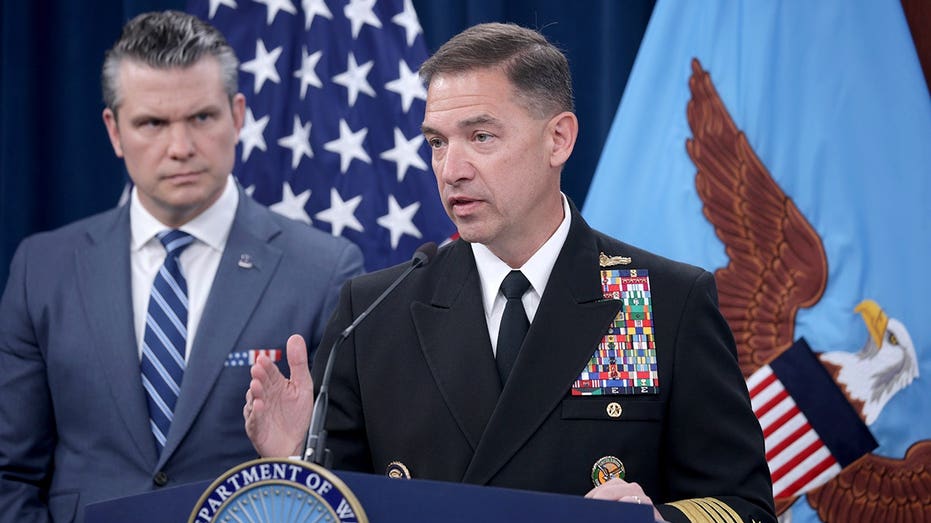
Image via Fox News
Fourth Drug-Boat Strike in a Week: The Cartels Found the Line in the Water
U.S. Southern Command says another maritime strike took out a drug-running vessel and left three "narco-terrorists" dead, marking the fourth such action in a week. That pace tells you two things at once: the trafficking network is aggressive, and the U.S. is finally applying sustained pressure where it matters—on the routes and the operators.
This isn’t just a border story. The cartels don’t run like mom-and-pop criminals; they run like multinational logistics companies with weapons, corruption budgets, and diversification. When Washington treats them like a paperwork problem, small towns pay in addiction, crime, and workforce decay—and businesses pay in higher security costs, higher insurance, and employees who can’t stay healthy enough to show up.
There’s also a market angle. When the U.S. clamps down hard, smugglers adapt, prices move, and violence spikes as organizations fight over scarcer lanes. That may sound abstract until you realize every surge in fentanyl and meth hits local hospitals, local police budgets, and the tax base that keeps property values from sliding.
🏛 Wade's Take: Good. If you’re moving poison and funding violence, you’ve forfeited the benefit of the doubt. The real test is whether this becomes a sustained strategy—maritime interdiction, sanctions, and real pressure on the financial networks—or just a one-week headline. Markets like clarity, and so do communities: enforce the line and keep enforcing it.
📎 Fox News
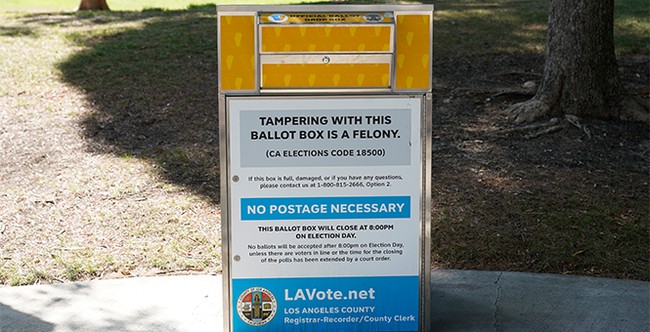
Image via RedState
Burned Ballots in California: You Don’t Get to Call That “Secure”
California election security is catching heat after mail-in ballots were reportedly found burned—the kind of story that makes half the country shrug and the other half grind its teeth. Either way, it’s the exact scenario every election official claims is impossible, right up until it happens.
Let’s be plain: chain-of-custody matters. In real estate, if I lose a lease file or a lender document, I don’t get to say, “Well, the system is generally fine.” I’m accountable because the integrity of the process is the product. Elections are no different. If ballots can be destroyed, delayed, harvested, or mishandled, you’re not arguing politics anymore—you’re arguing basic operational competence.
And there’s an economic consequence that never gets discussed. When voters stop trusting outcomes, you get unstable governance, policy lurches, and capital sitting on the sidelines. Businesses don’t expand in an environment where the rules can change overnight and the public doesn’t accept the referee.
🏛 Wade's Take: If a state wants universal mail-in voting, it needs industrial-grade controls—tracking, verification, audits, and consequences for tampering that actually scare people. Burned ballots aren’t a “gotcha,” they’re a warning label. Confidence is the currency of a republic, and once you devalue it, everything else costs more.
📎 RedState

Image via American Thinker
“Trump Lanes” for Highways: A Businesslike Fix for a National Chokepoint
American Thinker makes the case for “Trump Lanes”—a plain-English pitch for upgrading a highway system that’s getting older, more congested, and less reliable for the people who actually move the economy. Whether you love the branding or hate it, the underlying point is solid: our roads are capacity-constrained in the places that matter, and we keep pretending patchwork is a strategy.
If you’ve ever watched a contractor crew sit in traffic with payroll running, or a delivery window get blown because an interchange turns into a parking lot, you know what congestion really is: a hidden tax. It shows up as higher shipping costs, late fees, more vehicle wear, higher insurance claims, and a workforce that arrives stressed and unproductive.
The interesting part is the financing and incentives. The fastest way to build usable infrastructure isn’t always a giant federal check—it’s aligning who benefits with who pays, using tolling where it makes sense, and letting private operators compete on delivery and maintenance. If the lane moves freight and commuters faster, it pays for itself in time saved and costs avoided.
🏛 Wade's Take: Call it “Trump Lanes” or call it common sense: build capacity where the bottlenecks are, and run it like an asset, not a political trophy. Conservatives should lead here—user-based funding, transparent metrics, and contracts that punish delays. A country that can’t move goods efficiently is a country that can’t stay competitive, period.
Image via Associated Press
U.S. Bombs Iranian Sites; Kuwait Takes Fire: Energy Risk Just Repriced Overnight
The Associated Press reports U.S. bombs hit Iranian military sites, while Kuwait was struck by drone and missile fire amid broader regional conflict. Any time the Gulf lights up, you can feel it in your wallet before you can explain it at the dinner table—fuel prices, shipping insurance, and market volatility all move fast.
For small businesses, this is where geopolitics stops being a cable-news hobby and becomes a margin problem. Diesel costs ripple through every invoice. Airlines adjust, trucking surcharges rise, materials get pricier, and tenants start asking for concessions when consumer spending tightens. If you manage property, you also watch security costs and vacancy risk when uncertainty spikes.
Investors should also remember the second-order effects: defense spending expectations rise, certain commodities catch a bid, and the dollar can swing depending on how risk is priced. The worst-case scenario isn’t just higher oil—it’s an extended period of instability that keeps rates higher for longer because inflation refuses to die.
🏛 Wade's Take: Iran understands one language: credible deterrence backed by action. But Washington owes the American people clarity on objectives, timelines, and what escalation looks like—because uncertainty is how you end up paying for conflict twice, once on the battlefield and again at the pump. If you run a business, you don’t get to wing it; the federal government shouldn’t either.
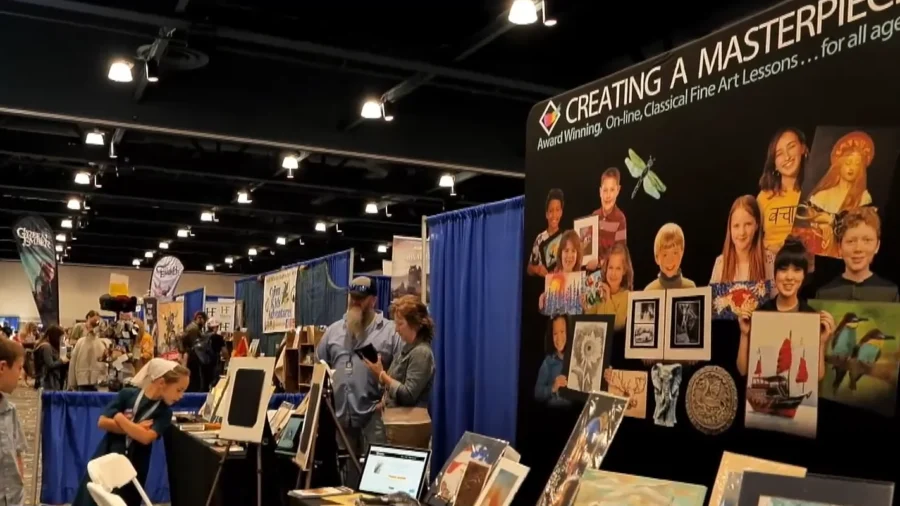
Image via NTD
Texas Homeschooling Boom: Parents Are Voting With Their Feet
NTD highlights a growing trend in Texas: more families choosing homeschooling. Some are motivated by academics, some by safety, some by values, and a lot of them by a simple conclusion—the system isn’t listening, so they’re building something better at home.
From a community standpoint, this is a quiet restructuring of daily life. Homeschool co-ops are becoming mini-institutions: shared tutors, sports leagues, field trips, and part-time programs. That has economic spillover—demand for flexible work, more spending on curriculum and enrichment, and even housing choices that prioritize space, affordability, and community networks over school-zone prestige.
It also exposes a hard truth: when public schools chase ideology, parents respond like consumers. Competition works. And the more families opt out, the more pressure rises on districts to justify budgets, improve outcomes, and focus on reading, math, history, and discipline—the basics that make kids employable and free.
🏛 Wade's Take: I’m for any parent who takes responsibility seriously, whether that’s homeschooling, private school, or fighting for a better public school. The education establishment should stop asking for more money and start delivering results—because families have options now. In the long run, school choice isn’t just a culture issue; it’s workforce development and property-value stability.
📎 NTD
That’s the rundown. Keep your eyes on the incentives, follow the money, and don’t let anyone sell you “results” without receipts. See you next issue. —Wade Lawson, The Local Conservative
— Wade Lawson