Sponsored By:
Markets are shifting — and most investors are missing it. The free Market Shift Report + Real-Time Watchlist breaks down exactly what's moving right now: policy impacts on economic trends, the return of supply-chain concerns, and what mixed consumer signals mean for the next quarter.
This complimentary report is only available for a limited time while these patterns are still developing. Don't get caught flat-footed — access it now before it's gone.
Get the Free Market Shift ReportWe encourage readers to perform their own research and due diligence on any information provided. By clicking the link above, you will automatically be subscribed to the Market Crux Newsletter. Privacy Policy

Today’s roundup is about trust and throughput — trust in courts and elections, and throughput in energy, capital, and basic competence. When institutions stall, spin, or self-deal, small business pays first.
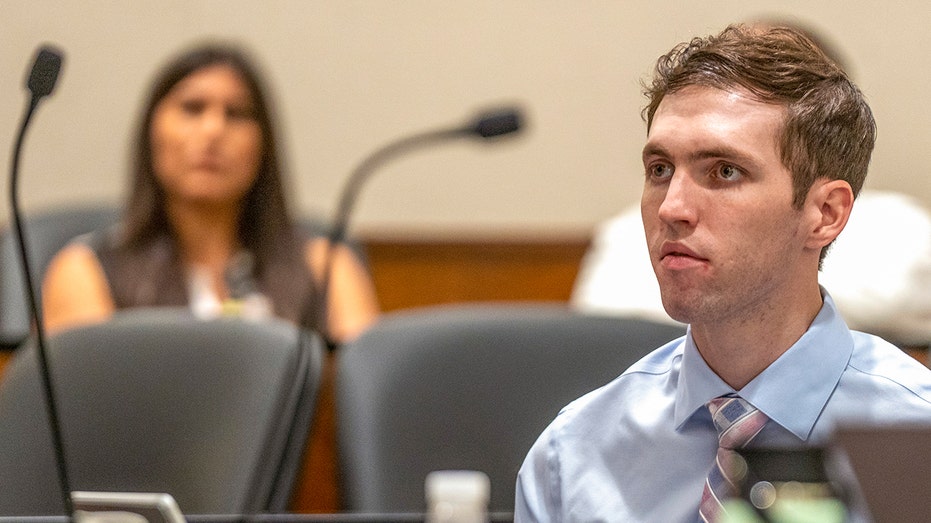
Image via Fox News
Utah Prosecutors Move to Stop the Stalling in the Charlie Kirk Assassination Case
Utah prosecutors are asking a judge to shut down what they call defense delay tactics in the Charlie Kirk assassination case, arguing the suspect’s attorneys haven’t met the legal standard for a stay. Translation: the state is saying, “You don’t get to freeze the clock just because you want more time or a different playing field.”
If you’ve ever been on the wrong side of a bad tenant or a lawsuit, you know the playbook: postpone, reschedule, relitigate, and hope the other side runs out of money or stamina. The public deserves a process that’s fair, but also one that doesn’t turn justice into a slow-motion admin exercise where accountability expires.
This case isn’t just “political.” It’s about whether political violence gets handled with urgency and seriousness, or whether our system signals that high-profile crimes can get buried under procedural fog.
🏛 Wade's Take: A functioning justice system is like a functioning market: rules, timelines, and consequences. If the defense can meet the criteria, fine — but judges shouldn’t reward delay as a strategy. Dragging cases out doesn’t just hurt victims’ families; it teaches every extremist watching that the system is easy to jam.
📎 Fox News
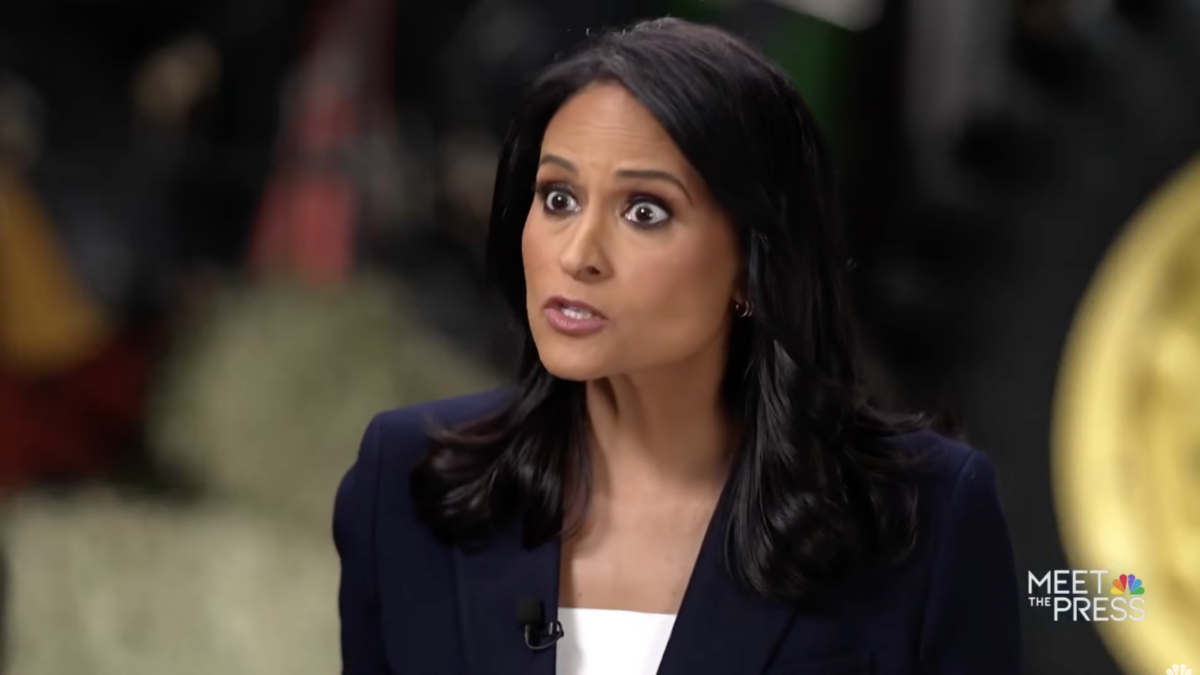
Image via The Federalist
The Media’s California Election Gaslighting Isn’t a Mistake — It’s the Business Model
The Federalist is taking aim at NBC’s Kristen Welker for defending a California election setup that many Americans view as engineered to generate skepticism. The core complaint isn’t just “people are mad online” — it’s that California’s own rules and procedures invite distrust, and media figures act surprised when the public reacts accordingly.
Here’s what drives working folks nuts: when the rules get looser, the process gets murkier, and the press treats questions like a moral failing. In business, if your bookkeeping is clean, you don’t fear an audit — you welcome it. Elections should work the same way: transparent, tight, and easy to explain in plain English.
When the media circles the wagons instead of demanding clarity, they’re not protecting democracy — they’re protecting a storyline. And every time they do it, they cash out another chip of public confidence that we’re going to need in the next close contest.
🏛 Wade's Take: If the process is solid, prove it with sunlight, not scolding. Conservatives aren’t asking for “vibes,” we’re asking for controls — chain of custody, timely counting, and rules people can understand. When media personalities defend messy systems, they’re not persuading skeptics; they’re manufacturing more of them.

Image via TheBlaze
DOJ Turns the Lights On at ASU — DEI Bureaucracy Meets the Audit It Deserves
The Blaze reports the Trump Justice Department has opened an investigation into Arizona State University over its diversity, equity, and inclusion practices. The focus is whether ASU’s policies cross legal lines — the kind of probe that gets administrators nervous, because DEI offices are built on paperwork, power, and discretion, not measurable outcomes.
Universities aren’t just cultural factories; they’re economic engines in their regions. They’re also giant landowners, major employers, and magnets for public dollars. When leadership prioritizes ideological compliance over merit, you don’t just get lousy campus politics — you get weaker graduates, worse hiring pipelines, and a business community forced to spend more time training basics instead of growing.
On the ground, DEI has too often turned into a parallel HR system: more staff, more consultants, more trainings, more liability. That’s real money — tuition money, taxpayer money, donor money — and it doesn’t come with a return on investment you can defend to a family writing a check.
🏛 Wade's Take: I’m pro-education and pro-opportunity — that’s exactly why DEI bureaucracies need scrutiny. If a program can’t survive an investigation, it shouldn’t be running on public funds and student debt. Merit is the most inclusive system we’ve ever invented, and it’s time we stopped apologizing for it.
📎 TheBlaze
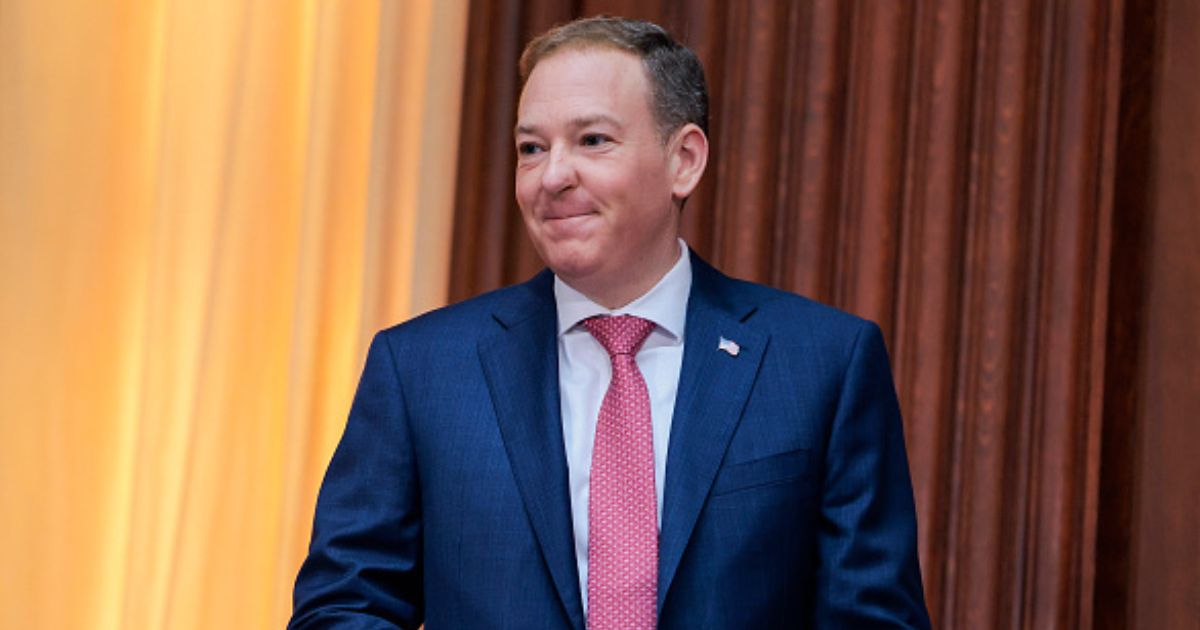
Image via Western Journal
When City Hall Can’t Deliver, Private Capital Steps In — LA Wildfire Survivors Get Help Anyway
The Western Journal highlights an EPA press release pointing to Wells Fargo’s assistance to survivors of last year’s Los Angeles wildfires, helping families and communities rebuild when local government response has been criticized as inadequate. However you feel about big banks, the point is simple: when government stalls, people still need roofs, paperwork, and financing.
Disaster recovery is logistics and speed. It’s debris removal, permits, inspections, temporary housing, insurance coordination, and bridge financing. If the city can’t get out of its own way, the rebuilding timeline stretches — and every extra month means higher rents, higher construction costs, and more families leaving.
There’s also a quiet real-estate truth here: slow recovery isn’t “neutral.” It shifts who can afford to stay, who can reopen a business, and who ends up owning the rebuilt neighborhood. Delays become a transfer of wealth to whoever has cash and patience.
🏛 Wade's Take: I don’t worship Wall Street, but I do respect execution. If a bank helps people rebuild faster than City Hall, that’s an indictment of governance, not proof the bank is holy. The conservative lesson is old-fashioned: competent, limited government should clear the lane — not block it — so communities can put their lives back together.
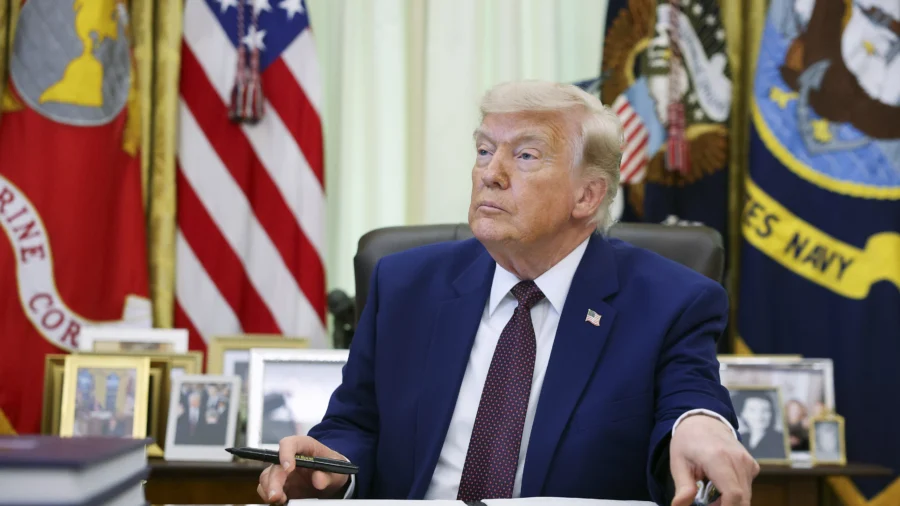
Image via NTD
Trump Says Iran Deal Is Near and Hormuz Could Reopen — Markets Will Believe It When Tankers Move
NTD reports President Trump says the U.S. is in the “final throes” of an Iran deal and that the Strait of Hormuz could reopen within days. That waterway is not an abstract foreign-policy talking point — it’s a pressure valve for global energy pricing, shipping insurance, and the cost structure of nearly everything you and I buy.
If Hormuz normalizes, you could see immediate relief in crude volatility and freight rates, which filters into fuel, plastics, logistics, and ultimately consumer prices. But if this is a headline without enforcement, the market will price it like a rumor: temporary dips, then the risk premium snaps right back.
The bigger issue is credibility. The U.S. can’t afford “deal theater” that leaves supply chains exposed while adversaries test boundaries. Energy security is national security, and it’s also small-business security — because Main Street doesn’t have a hedging desk.
🏛 Wade's Take: I’m rooting for cheaper energy and safer seas, but I’m not buying a victory lap until the shipping lanes are truly stable and enforceable. Any deal that rewards bad behavior or leaves Iran richer without real compliance will come due later — with interest. The goal isn’t a press conference; it’s predictable energy flows and fewer leverage points against the U.S.
📎 NTD
I’m Wade Lawson. Build what you can control, keep dry powder for the opportunities that follow the chaos, and don’t let anyone tell you “trust us” is a substitute for transparency. See you tomorrow in The Local Conservative.
— Wade Lawson