Sponsored By:
Oil markets are shifting as Venezuela's disruption removes critical barrels while spare capacity shrinks. Supply pressure is building before headlines catch up — and smart traders are positioning now.
Our exclusive briefing reveals three energy stocks emerging from this supply shock, plus the key signals to monitor as this setup evolves. This is about preparation, not prediction.
Get the Free Oil Trading ReportBy following the links above, you're opting in to receive valuable updates from Wealthiest Investor News plus 2 bonus subscriptions. Your privacy is important to us. You can unsubscribe anytime. See our privacy policy for details.

Today’s roundup runs from an Iran deal being "finalized" to a Supreme Court punt that empowers New York’s lawfare playbook, plus a visa crackdown, the passing of Alan Greenspan, and a surprise election shockwave out of Colombia. Every one of these has a dollar sign on it for small business, markets, and the direction of the country.
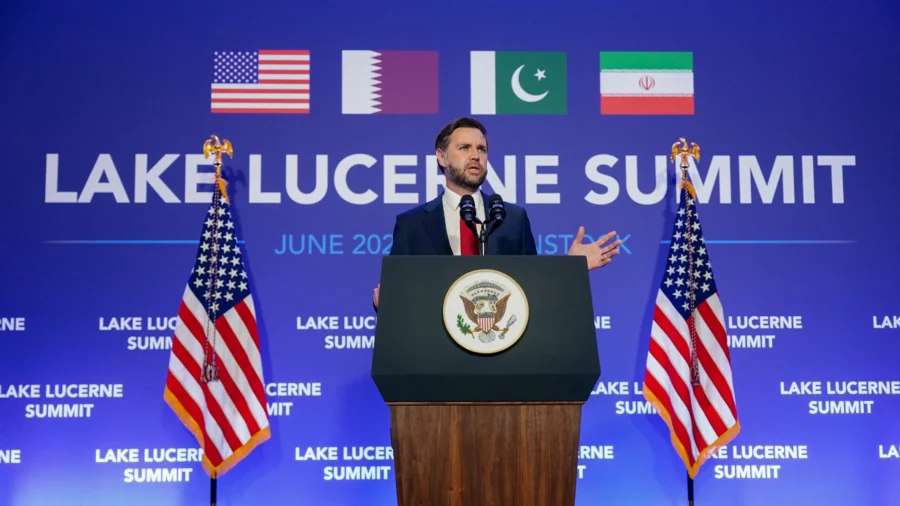
Image via NTD
Vance Says the Iran Deal Is Near the Finish Line — Markets Hear “Risk Premium,” Not “Peace Prize”
Vice President JD Vance says the foundation is set for a final U.S.-Iran deal after high-level talks at the Lake Lucerne Summit. That kind of language usually means the negotiators have narrowed the disagreements down to a few “political” items that can still blow the whole thing up at the last minute — inspections, enrichment limits, sanctions timing, and what counts as “compliance.”
For the real economy, the key question isn’t whether the photo-op looks diplomatic. It’s whether enforcement is real and durable. If the market smells a credible path to fewer Middle East disruptions, you’ll see it in oil volatility first, then in freight, then in inflation expectations, then in rate pressure — which lands right on top of every small business line of credit and every commercial loan renewal.
But if this turns into another paper deal with escape hatches, you get the worst of both worlds: sanctions loosen, bad actors get funded, and energy risk stays elevated because nobody trusts the fine print. That uncertainty is a tax on everybody trying to plan payroll and capital projects.
🏛 Wade's Take: I’m for diplomacy that reduces risk, but I’ve been in enough contract negotiations to know that “framework” talk is cheap. If the deal doesn’t include hard verification and snapback penalties that actually bite, it’s not a peace dividend — it’s a volatility machine. And volatility is just inflation in a different suit.
📎 NTD

Image via Western Journal
Supreme Court Steps Aside as Letitia James Gets Another Win — and the Gun Industry Gets Another Target
The Supreme Court declined to take up an appeal from the National Shooting Sports Foundation, leaving in place an appeals court ruling that favors New York Attorney General Letitia James in a case tied to firearm-related liability. In plain terms: the Court didn’t rule on the merits, but by not stepping in, it lets the lower-court decision stand and encourages more aggressive state-level legal theories.
This is part of the broader “regulate by lawsuit” approach — where elected prosecutors and attorneys general use civil actions to punish disfavored industries, even when legislatures haven’t passed clear laws to do it. Whether you’re talking about guns today, energy tomorrow, or banking the next day, the economic impact is the same: higher insurance costs, higher legal budgets, disrupted distribution, and a chilling effect on investment.
For business owners, it also deepens the patchwork problem. One state’s courtroom becomes a national policy lever, and companies end up making decisions based on litigation exposure instead of consumer demand and sound operations.
🏛 Wade's Take: If you want to pass a law, pass a law. Don’t turn the court system into a revenue model and a political weapon. This kind of lawfare doesn’t just hit gun makers — it tells every industry that success and compliance aren’t enough if the wrong politician decides you’re the next headline.
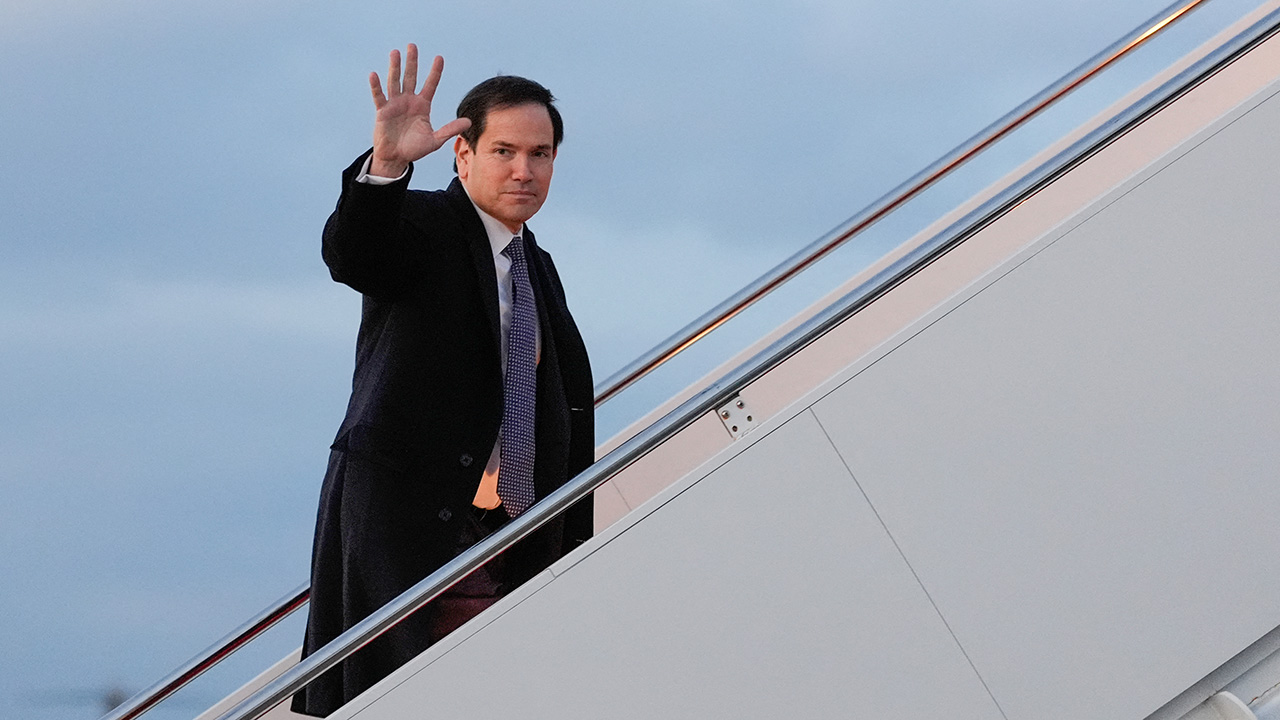
Image via The Daily Signal
Visa Revoked After Fraud Charges — Washington Finally Treats Immigration Like a Trust Contract
The State Department is revoking visas for three foreign nationals charged with defrauding Americans, according to reporting that describes the move as part of a broader crackdown. The point being signaled is straightforward: entry into the United States is not an entitlement, and fraud isn’t a paperwork issue — it’s a character issue.
From an economic standpoint, fraud is a hidden tax that hits families and small businesses first. It’s the contractor scam, the benefits scam, the identity scam, the wire transfer scam — and when it spreads, it raises transaction costs for everybody. Banks tighten verification, landlords tighten screening, employers spend more on compliance, and honest people get slowed down because the system gets abused.
A serious immigration system has to separate lawful, productive entrants from people who come here to cheat the system. That’s not anti-immigrant — it’s pro-citizen, pro-legal immigrant, and pro-basic trust in the marketplace.
🏛 Wade's Take: I’ve signed enough leases to know you can’t run anything on “good vibes” — you run it on verification and enforcement. If you defraud the American people, you shouldn’t keep the privilege of being here on a visa. Tighten the standards, speed up legitimate processing, and make the consequences immediate.
Image via Associated Press
Alan Greenspan Dies at 100 — The Man Who Defined a Generation of Money, Booms, and Bubbles
Former Federal Reserve Chairman Alan Greenspan has died at 100. He led the Fed from 1987 to 2006 — a stretch that included the 1987 crash, the long 1990s expansion, the dot-com boom, and the early-2000s housing and credit run-up. For a lot of investors, “Greenspan” wasn’t just a person; it was shorthand for the Fed’s growing role as the backstop for markets.
Greenspan’s era cemented the modern expectation that when markets wobble, the central bank will ride in with liquidity. That belief helped stabilize shocks, but it also taught Wall Street and corporate America a dangerous habit: price risk as if the punch bowl always comes back. The longer that mindset lasts, the more capital flows toward leverage and financial engineering instead of real productivity.
In the real world — the world of payroll, rents, and operating costs — easy money can feel good for a season. But when it overstays, it distorts everything: asset prices inflate, cap rates compress, prudent savers get punished, and the next tightening cycle hits like a hammer.
🏛 Wade's Take: Greenspan was brilliant, but his legacy is complicated: he helped normalize the idea that the Fed can smooth every rough edge. It can’t. Eventually the bill comes due, and it’s usually paid by working people and small business owners who didn’t get the early access to cheap capital.

Image via RedState
Trump-Backed “El Tigre” Shocks Colombia — and Every Investor with LatAm Exposure Should Pay Attention
A Trump-backed candidate nicknamed “El Tigre” delivered a surprise political jolt in Colombia, with President Gustavo Petro reportedly crying foul. However you feel about the personalities, the outcome matters because Colombia isn’t just a headline country — it’s a capital-flow country. Energy policy, security policy, and property rights there ripple through commodities, emerging market debt, and the risk appetite of global investors.
When a leftist government gets challenged, markets immediately start repricing the odds of shifts on oil, mining, taxation, and enforcement against cartels and insurgent networks. If “El Tigre” represents a tougher law-and-order posture and a more investment-friendly stance, you can see foreign capital come off the sidelines. If the aftermath turns into legitimacy disputes and street instability, you’ll see the opposite: currency pressure, higher yields, and money heading for the exits.
For Americans, this isn’t just “foreign politics.” It’s the price of energy, the stability of the hemisphere, migration pressures, and whether U.S. companies can invest without getting shaken down by ideology or corruption.
🏛 Wade's Take: Property rights and public safety are the first two ingredients for any functioning economy — in Bogotá or Birmingham. If Petro’s camp tries to delegitimize results instead of competing on policy, investors will treat Colombia like a risk trade, not a long-term partner. And if “El Tigre” actually delivers security and stable rules, capital will follow fast.
📎 RedState
That’s the money-and-main-street read for your Monday. Keep your balance sheet sturdy, don’t overleverage into election-year noise, and remember: policy always shows up in your costs sooner or later — Wade Lawson, The Local Conservative
— Wade Lawson