Sponsored By:
🎃 The market has its own tricks — and October is full of them. Sudden momentum, unusual activity, and stocks making big moves before anyone else notices. Don't get caught off guard.
GuyStocks delivers real-time momentum alerts 🕷️, flags unusual stock activity 👻, and gives you clear, actionable insights ⚡🔎 — so you're ahead of the move, not chasing it. And it's 100% free to join 🆓.
Join GuyStocks Free TodayBy clicking the button above, you agree to receive emails from GuyStocks.com. You can opt out at any time. — Privacy Policy

Five stories that all point to the same question: who pays when politicians grandstand, mismanage, or chase headlines instead of results? Spoiler: it is usually the working taxpayer and the small business owner.
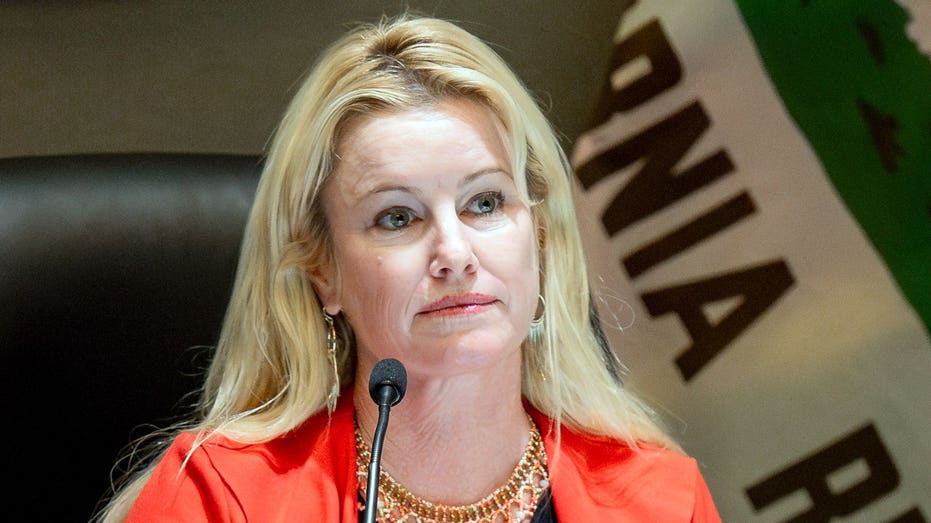
Image via Fox News
Anaheim’s City Hall Mess: Serious Claims Against a Mayor, and Taxpayers Foot the Bill Either Way
A former top aide to Anaheim Mayor Ashleigh Aitken is alleging a pattern of misconduct that includes drunken behavior at public events, harassment, questioning her sexuality, and the use of a racial slur. The claims come from the mayor’s former chief of staff, Berenice Ballinas, and they paint a picture of a workplace that is less public service and more personal chaos.
If the allegations are true, that is a leadership failure that poisons morale, wrecks professional trust, and exposes a city to real legal and financial risk. Even if parts of the claim are disputed, one thing is predictable: investigations, attorneys, settlements, and PR cleanups cost money, and it is never the politicians paying out of pocket.
This matters well beyond Anaheim because it is the same pattern you see in too many “progressive” city governments: accountability is slow, processes get politicized, and the fallout spills into everything from hiring to permitting to public safety. When city leadership is distracted or compromised, small businesses feel it first in slower decisions, inconsistent enforcement, and a general sense that nobody is minding the store.
🏛 Wade's Take: If I acted like this with employees, I would get sued, lose my team, and deserve it. City leaders should be held to a higher standard, not protected by layers of staff and talking points. Regardless of party, public officials who create legal exposure should be removed quickly, because taxpayers are not an unlimited liability shield.
📎 Fox News

Image via The Federalist
Vance Takes Aim at H-1B: Cheap Labor Dressed Up as “Skills” Hurts American Paychecks
Sen. J.D. Vance is hammering the H-1B visa program as the Trump team scrutinizes abuse in legal immigration, arguing that the program often functions as a wage-suppression tool rather than a true “best and brightest” pipeline. Reporting highlights research suggesting H-1B workers earn less on average than comparable native workers, a point critics say reflects how the program can be used to undercut market wages.
In the real economy, labor is like any other input cost: if government policy lets big firms flood the market with cheaper alternatives, wages flatten and the bargaining power of the domestic worker drops. That might be convenient for large employers and certain sectors, but it is a gut punch to young Americans trying to build careers, buy homes, and start families.
None of this means America should shut the door on talent. It means immigration policy should serve the national interest, not the quarterly earnings call. If the program is being used as an arbitrage play, then it is not pro-growth in the healthy way; it is pro-margin for the biggest players.
🏛 Wade's Take: I have no problem competing, but I do have a problem with government rigging the labor market so a connected industry can pay less and call it “innovation.” If companies truly cannot find talent, they can raise wages, train Americans, and locate where labor is available. A conservative immigration policy should strengthen the working and middle class, not treat them like a cost to be minimized.
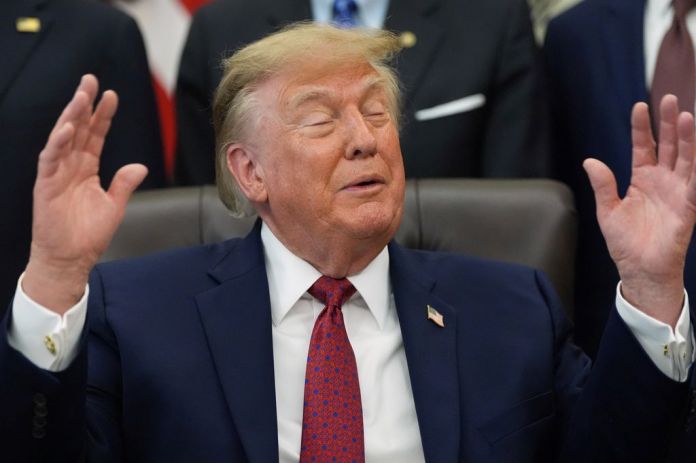
Image via Washington Examiner
Trump’s Quiet Win on Drug Prices: Import the Price Discipline, Not the Socialized System
The Trump administration has continued cutting deals with pharmaceutical companies aimed at giving Medicaid the same low prices foreign countries pay, adding agreements with nine more firms. The argument is simple: other nations use government leverage to demand lower prices, then America ends up subsidizing global R&D by paying more at the pharmacy counter.
This approach tries to attack the problem from the angle business owners understand: stop accepting a bad negotiating position. If the U.S. government is the biggest payer in the room through programs like Medicaid, it can insist on pricing terms that are not wildly out of line with the rest of the developed world.
The politics around drug pricing are always messy because it is a three-way knife fight between drug makers, insurers and PBMs, and government programs. But if this policy is executed with discipline, it can bring relief without pretending that full-blown socialized medicine is the answer to every problem.
🏛 Wade's Take: I like negotiating wins that don’t require turning the whole economy over to bureaucrats. If foreign governments can demand low prices, we should stop being the sucker at the table. The key is keeping incentives for real innovation while cutting out the “America pays extra because it can” premium.
Why Democrats Can’t (and Won’t) Deliver Lower Gas Prices
A Townhall column argues Democrats talk a big game about affordability but structurally refuse to do the one thing that reliably lowers gas prices: make it easier to produce, refine, and transport energy. The piece points to regulatory hostility toward fossil fuels, permitting slow-walks, and a policy posture that signals long-term decline for domestic production.
In markets, expectations matter. If investors believe a sector will be punished, capital dries up, maintenance gets deferred, and capacity fails to expand. Then when demand rises or shocks hit, you get price spikes that hammer commuters, contractors, and every business that moves goods.
Gas prices are not just a line item at the pump. They feed directly into construction costs, delivery fees, service call rates, and the operating budgets of small firms. You cannot run a serious pro-growth agenda while treating energy like a moral failing instead of an economic backbone.
🏛 Wade's Take: Energy policy is like property management: if you ignore maintenance and block upgrades, something eventually breaks and the tenant pays for it. Democrats keep promising painless transitions while attacking the supply that keeps families and businesses moving today. If you want lower gas, you need more production, more refining, faster permitting, and a government that stops rooting against American energy.
Iran War Day 217: More Troops, a Third Carrier, and the Growing Tab for America
The American Conservative reports the U.S. is moving more troops to the region and deploying a third aircraft carrier to the Gulf, alongside Patriot missile batteries repositioned to Saudi Arabia and Qatar. The headline reality is escalation by posture: more assets, more personnel, more logistics, and a longer runway for unpredictable outcomes.
Every additional deployment has a real cost in dollars, readiness, and strain on the force. The public usually hears the moral language first and the budget math later, but the math always shows up. And when Washington is already buried in debt, prolonged military commitments don’t just affect geopolitics; they ripple into interest rates, inflation risk, and what government can fund at home.
None of this is an argument for weakness. It is an argument for clarity. If we are going to expand commitments, the American people deserve a defined objective, an exit strategy, and accountability for the people who keep moving the goalposts.
🏛 Wade's Take: I back a strong military, but I do not back open-ended positioning that turns into an open-ended bill. Before we add more hardware and more troops, Washington needs to explain the mission in plain English and tell us what “done” looks like. In business, if you can’t define the target and the timeline, you’re not managing a project; you’re funding a drift.
That’s the week as I see it. Keep your head on a swivel, your balance sheet clean, and your politics tied to reality: who pays, who profits, and what it does to the country we’re trying to hand to our kids.
— Wade Lawson