Sponsored By:
Tax season quietly reshapes where capital flows — refunds hit accounts, portfolios get rebalanced, and positions get liquidated to cover obligations. That creates unusual early movement in small-cap stocks that has nothing to do with company fundamentals. Right now, certain names are already showing structural signals most investors will miss entirely.
We've put together a free Market Structure Guide breaking down how tax season shifts market activity, why some small-cap profiles move unexpectedly in March and April, and three companies already showing early breakout signals. The window to act before broader attention arrives is narrow — don't wait.
Get the Free Market Structure Guide*We encourage readers to perform their own research and due diligence on any information we provide. By clicking the link you will automatically be subscribed to the Fierce Investor Newsletter. Privacy Policy

From Washington’s ideological shakeups to Ohio’s Medicaid mess, the money is moving — and not always in the direction hardworking Americans deserve.
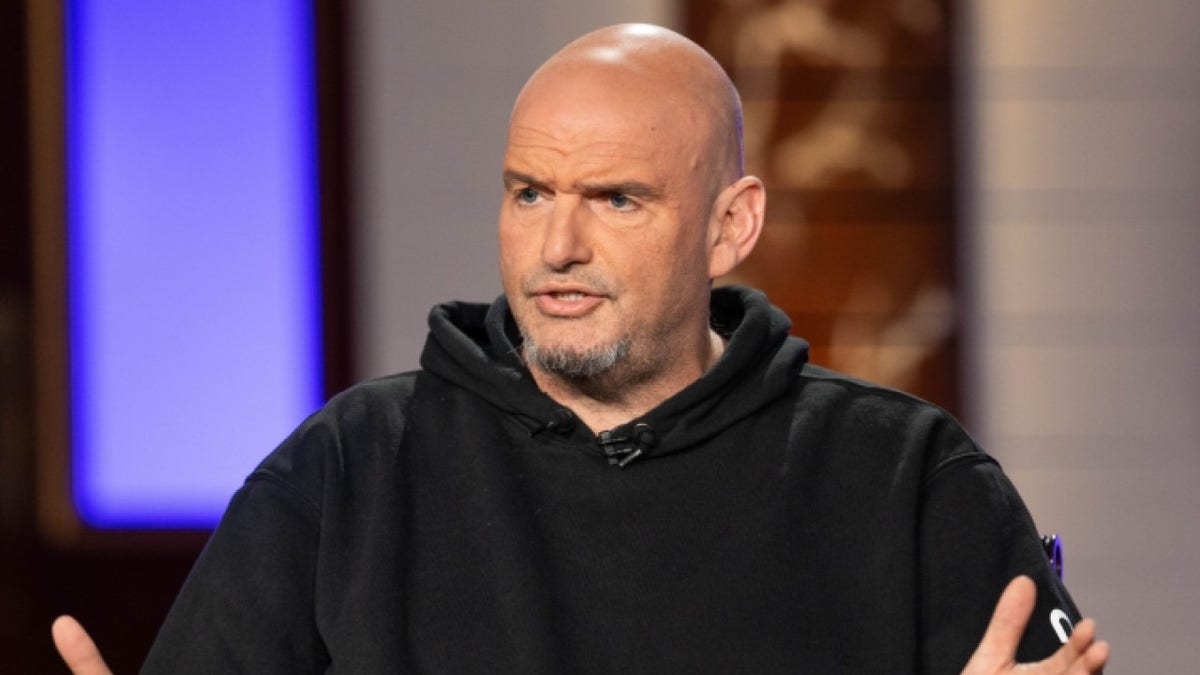
Image via Fox News
Fetterman’s Exile Tells You Everything: The Left Doesn’t Do Dissent Anymore
Not long ago, Sen. John Fetterman was treated like the Democrats’ blue-collar, hoodie-wearing proof-of-concept — a Bernie-backed progressive who could supposedly talk to regular folks. Now he’s getting the heretic treatment, not because Republicans did anything to him, but because his own side decided the party line matters more than any individual.
The bigger story isn’t one senator’s popularity swing. It’s the acceleration of a party culture that punishes deviation, even from people they recently celebrated. When the coalition tightens around the hardest voices, you don’t get pragmatic governing — you get purity tests, staff revolts, and policy that keeps drifting toward maximum government, maximum spending, and minimum accountability.
If you own a business or manage property, you’ve seen what ideological politics does in real life: higher compliance costs, whiplash rules, and cities that chase away investment while claiming they’re “protecting” people. A party that can’t tolerate internal disagreement isn’t going to tolerate the messy trade-offs that actually make an economy work.
🏛 Wade's Take: When a party starts eating its own moderates, it’s a signal the incentives have shifted from solving problems to performing for the base. Investors should read that as more regulatory risk and more anti-growth policy pressure, especially in blue jurisdictions. If Democrats keep sprinting left, they’ll keep pricing out the very working families they claim to champion.
📎 Fox News

Image via The Federalist
Ohio Hearing Lays It Bare: Medicaid Fraud Isn’t a Rounding Error — It’s a Business Model
A House committee hearing put a spotlight on a Medicaid fraud case in Ohio so large it sounds like satire: testimony indicated a single Bhutanese family may have extracted sums approaching a meaningful share of Bhutan’s GDP — paid for by U.S. taxpayers. Strip away the headlines and you’re left with a brutal truth: the system is porous, incentives are backward, and oversight too often shows up after the money’s gone.
This isn’t about being cruel to legal immigrants who play by the rules — most do. This is about government programs that shovel dollars through bureaucracies that aren’t built to verify identity, residency, eligibility, or provider legitimacy at scale. When you combine weak controls with political fear of enforcement, you get a magnet for organized fraud.
And every dollar stolen has an opportunity cost. It’s a dollar not available for the truly needy, a dollar that fattens deficits, and a dollar that pushes policymakers toward higher taxes, lower reimbursement rates, or both — all of which eventually shows up in small business healthcare costs and state budgets.
🏛 Wade's Take: If a private company ran benefits with this level of leakage, it would be sued into the ground and the CEO would be fired. The fix isn’t complicated: real verification, real audits, real prosecutions, and real consequences — plus stopping the political games that treat enforcement like a moral offense. Conservatives should keep hammering this because fraud is a tax on every honest worker.

Image via TheBlaze
A Love Letter to Old Money: The Beauty It Bought Still Pays Dividends
There’s a piece making the unfashionable argument that America’s ultra-rich from a bygone era didn’t just hoard wealth — they preserved the kind of craftsmanship and civic beauty that modern America struggles to replicate. Think grand architecture, historic neighborhoods, public spaces, and institutions that still draw tourists, commerce, and pride.
Here’s what’s interesting from an economic angle: aesthetic value becomes financial value. Well-preserved districts boost foot traffic, raise surrounding property values, and anchor local business ecosystems. Cities spend billions trying to “revitalize” areas with splashy projects, but they can’t fake the authenticity that comes from places built to last.
The modern problem is we’ve stacked the deck against building anything enduring. Between permitting delays, design-by-committee, endless lawsuits, and financing costs, we’ve made it easier to throw up cheap boxes than to build legacy. Then we act shocked when downtowns feel disposable.
🏛 Wade's Take: I’ll take a country that builds beautiful things over one that argues about them forever and never breaks ground. If philanthropy and private wealth preserved historic America, good — that’s civil society doing what government usually messes up. The conservative lesson is simple: protect property rights, streamline rules, and let builders build things worth keeping.
📎 TheBlaze

Image via New York Post
Jobs Beat Expectations — And the Fed Just Got Another Excuse to Keep Rates Higher, Longer
May’s jobs numbers came in stronger than expected, and markets immediately heard what every borrower hears: don’t count on quick rate cuts. A labor market that keeps surprising to the upside gives the Federal Reserve political cover to pause, wait, and watch inflation and wage growth instead of rushing to cheaper money.
That matters for Main Street more than Wall Street likes to admit. Higher-for-longer means refinancing risk for small businesses, slower deal volume in commercial real estate, and a tougher environment for startups that relied on easy capital. It also means the government’s interest bill keeps climbing — which eventually becomes pressure for more taxes or more borrowing, neither of which helps productive growth.
At the same time, strong job creation is real relief for families. People with paychecks pay rent, buy groceries, and keep local businesses alive. The question is whether we’re building sustainable growth — the kind driven by productivity and investment — or just running hot on debt, deficits, and policy uncertainty.
🏛 Wade's Take: As a guy who’s lived through rate cycles, I’ll tell you: don’t build your plan on “the Fed will save me.” Lock what you can, keep cash reserves, and treat leverage like a tool, not a lifestyle. Strong jobs are good news, but Washington’s spending habits are the kindling that keeps rates from coming down cleanly.
Hezbollah Says ‘No’ to a Lebanon Ceasefire — And Investors Should Hear the Message
On Day 58 of the ceasefire clock, Hezbollah rejected a Trump-backed ceasefire framework in Lebanon, with Iran signaling the truce is tied to broader negotiations with the U.S. That’s the regional reality in plain terms: armed proxies aren’t just local actors — they’re bargaining chips, and civilians and markets pay the price when diplomacy gets weaponized.
For Americans, this isn’t an abstract foreign policy argument. Instability in the region hits energy markets, shipping routes, and risk premiums. Every flare-up ripples into fuel costs, insurance, and supply chains — the same basic cost stack that squeezes contractors, retailers, and anyone running a fleet or heating large buildings.
Meanwhile, the longer these conflicts linger, the more pressure builds for U.S. involvement, funding, and political attention — at a time when our own debt load is already a national security issue. A country that can’t balance its books is easier to blackmail, economically and geopolitically.
🏛 Wade's Take: Ceasefires don’t hold when one side profits from chaos and the sponsor states treat time like leverage. America needs clear interests, real deterrence, and a foreign policy that doesn’t confuse “endless process” with results. And if you’re managing money, don’t ignore geopolitics — it shows up fast in oil, defense, and inflation expectations.
That’s the week. Keep your balance sheet tight, your eyes on the incentives, and your politics grounded in what actually works out on the street. — Wade Lawson, The Local Conservative
— Wade Lawson