Sponsored By:
Most people wait for headlines. By then, it's too late. Before a ticker heats up, there's a brief signal phase — a quiet shift that appears before the noise. No alerts. No buzz. Just an early tell for those who know where to look.
The FREE Market Signal Brief from the Daily Edge Report breaks down exactly how to spot these setups before they explode into the news cycle. Once the story hits — the early edge is already gone. Don't wait.
Download Your Free Signal Brief NowWe encourage readers to perform their own research and due diligence on any information we provide. By clicking the link above you will automatically be subscribed to the Daily Edge Report Newsletter. To view our privacy policy, visit lifewatermedia.com/privacy-policy.

Today’s roundup: Trump and Netanyahu meet with Iran in the background, judges look for end-runs around the Supreme Court, teachers’ unions go full political, South Carolina draws a line for workers, and Cuba shows fresh signs of cracking.
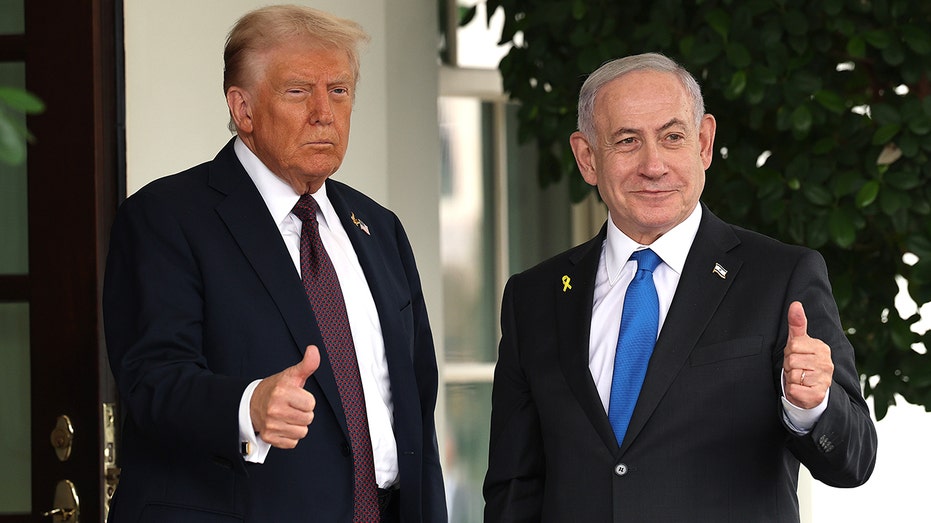
Image via Fox News
Trump Hosts Netanyahu as Iran War Raises the Stakes for U.S.-Israel Ties
President Trump welcomed Israeli Prime Minister Benjamin Netanyahu to the White House with the Iran war raging and the relationship under strain. Reports say Netanyahu is bringing intelligence alleging Iran is expanding nuclear activity at the Pickaxe Mountain site, putting Washington right back in the familiar spot: decide whether we’re dealing with a bluff, a breakout, or something in between.
For markets, this is not abstract. A wider war in the region tends to show up fast in energy prices, shipping costs, insurance premiums, and risk-off trading. If crude spikes and stays up, every small business owner feels it through fuel, freight, plastics, and consumer pullback. If it calms down, you’ll still see a security premium hang around until investors believe the next escalation isn’t around the corner.
Domestically, the political pressure is two-sided: support an ally while avoiding an open-ended commitment that drains attention and money from problems at home. That tension is real, and it’s exactly why the intelligence piece matters. If Iran is truly advancing nuclear work, the timeline for decisions shrinks and so does everyone’s patience.
🏛 Wade's Take: I’m pro-ally, pro-deterrence, and anti-drift. If Iran is expanding nuclear capacity, the U.S. should help Israel keep the upper hand while demanding clear objectives, clear costs, and a clear exit ramp. The fastest way to hurt American families is to let the region slide into a long war that turns into permanent $5-plus gasoline and another decade of “emergency” spending.
📎 Fox News
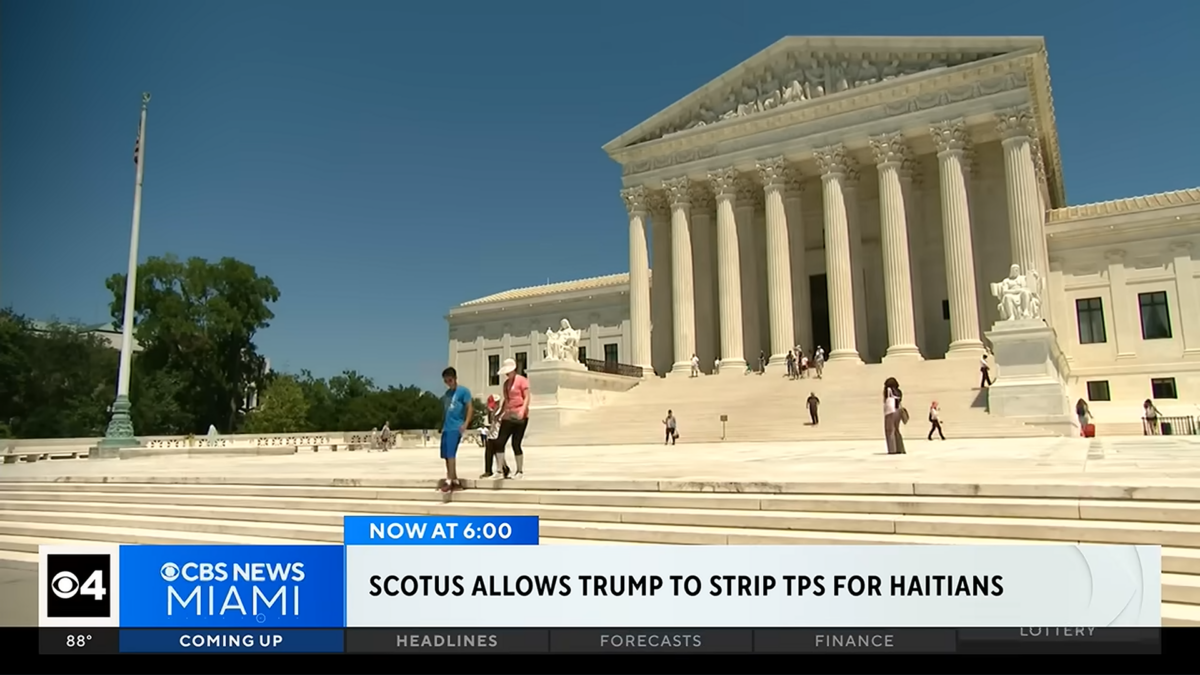
Image via The Federalist
Judges Hunt for Workarounds After the Supreme Court Speaks on TPS
A new report argues that several judges are entertaining legal maneuvers designed to help temporary migrants sidestep a key Supreme Court ruling involving Temporary Protected Status. The contention is simple: when the high court draws a line, parts of the lower-court system immediately look for a loophole to keep preferred policies alive.
This matters beyond the politics because it impacts labor markets, housing demand, and local budgets in real time. When status questions stay unresolved, employers face compliance uncertainty and communities get stuck planning for services they didn’t budget for. In business, you can handle almost any rule if it’s clear and stable; what kills you is whiplash and selective enforcement.
It also feeds public cynicism. If ordinary citizens see court decisions treated like suggestions, respect for the legal system erodes. And once that trust is gone, the only thing left is raw power politics, which is exactly what conservatives have been warning about for years.
🏛 Wade's Take: The Supreme Court isn’t a “menu” where judges pick what they like. If Congress wants a different immigration system, Congress needs to vote for it and own it. Until then, the country needs consistent rule of law, because uncertainty is a hidden tax that hits small employers, school districts, and renters first.

Image via National Review
Teachers’ Union Convention Shows Who They’re Really Working For
National Review reports that Randi Weingarten’s convention looked less like a professional gathering focused on student outcomes and more like a political rally. Speakers treated the event as campaign season, while delegates passed resolutions on an everything-under-the-sun agenda that didn’t center on measurable improvements in reading, math, discipline, or graduation readiness.
Parents already know what that means on the ground. When the loudest voices in education talk politics first and performance last, families with options move, homeschool, or go private, and everyone else gets stuck. That has a direct effect on property values and neighborhood stability, because school quality is one of the biggest drivers of where working families choose to live.
There’s also a workforce angle that rarely gets said out loud. If schools keep turning out graduates without basic skills and work habits, employers pay twice: once in taxes, and again in training and remediation. That’s not “investment,” that’s paying for failure.
🏛 Wade's Take: If your convention feels like a campaign stop, don’t act surprised when parents treat you like a political operation instead of an educational partner. Real accountability would mean tying leadership priorities to student achievement, safety, and attendance, not whatever the day’s national talking points are. Conservatives should keep pushing choice and transparency, because monopolies don’t reform themselves.

Image via American Thinker
South Carolina Tries Something Radical: Put American Workers First
An American Thinker piece highlights efforts in South Carolina that aim to prioritize American workers and families under an America First framework. The argument is that policy should reward domestic production, reduce dependency on foreign supply chains, and make sure working people can actually build a life where they live.
On the business side, the South has been a magnet for manufacturing and large-scale projects, and those deals live or die on workforce reliability. When states focus on training, permitting speed, and basic public order, employers can commit capital with confidence. When they chase political fashion and regulatory sprawl, projects stall and investors look elsewhere.
For real estate, pro-worker policies can be a tailwind if they translate into stable job growth and higher household formation. But it has to be sustainable. A brief boom built on subsidies and gimmicks doesn’t help long-term, because when the incentives end, the jobs and lease demand can vanish with them.
🏛 Wade's Take: I like any state that treats jobs, skills, and energy reliability as the foundation instead of an afterthought. But “putting workers first” has to mean lowering the cost of living too: housing approvals, infrastructure that works, and taxes that don’t punish raises. If South Carolina can grow jobs without growing government, that’s the model the rest of the South should copy.

Image via PJ Media
Cuba’s Crack-Up: Another Reminder That Socialism Always Sends the Bill
PJ Media points to a turbulent week in Cuba and argues the island is showing new signs of instability. Cuba’s story is a familiar one: a regime that promised dignity and equality, then delivered rationing, decay, and fear once reality showed up and the propaganda ran out of runway.
When Cuba wobbles, it’s not just a foreign-policy talking point. Instability can mean waves of migration pressure, criminal networks exploiting desperation, and U.S. resources getting pulled into reactive crisis management. It also gives China and Russia opportunities to meddle close to our shores, which is a strategic headache we don’t need.
For American voters, Cuba remains the simplest case study in what happens when the state owns everything and accountability disappears. You can rename it, rebrand it, and dress it up with activist slogans, but you can’t repeal economics.
🏛 Wade's Take: Cuba is what happens when government replaces markets and force replaces freedom. America should support the Cuban people, tighten the screws on the regime, and stop pretending engagement will magically reform a dictatorship that survives by controlling food, fuel, and information. And at home, we’d do well to remember: every “free” promise from big government gets paid for with somebody’s paychecks and somebody else’s liberty.
📎 PJ Media
Wade Lawson, Editor, The Local Conservative. Build real things, protect the rule of law, and invest like tomorrow’s bills are coming due—because they are.
— Wade Lawson