Sponsored By:
With government debt soaring and inflation still biting, smart investors aren't waiting for volatility to hit — they're preparing now. The Gold Wealth Blueprint breaks down exactly how gold has historically shielded portfolios during periods of fiscal strain and market uncertainty.
Inside, you'll discover why gold moves differently than paper assets, how to use it as a practical hedge, and how to size your exposure without overcommitting. It's concise, actionable, and free — but don't sit on it.
Get the Free Gold Wealth BlueprintBy following the link above, you're choosing to opt in to receive insightful updates from Investor News + 2 free bonus subscriptions. Your privacy is important to us. You can unsubscribe anytime. See our privacy policy for details.

Five stories today that all point to the same lesson: governance isn’t a vibe. It’s incentives, enforcement, and the real-world bill that shows up in your business, your community, and your portfolio.

Image via Fox News
Turns Out the “Backward” Tech Skeptics Were Doing Risk Management
For years, America treated the Amish and other tight-knit religious communities like a punchline because they didn’t chase every new gadget. Now that Meta has reportedly agreed to a massive settlement over claims its platforms harmed children, a lot of parents are realizing what those communities were actually doing: protecting attention, habits, and family stability like scarce capital.
What changed isn’t human nature. What changed is the scale. Smartphones and social platforms took normal temptations and turned them into an always-on business model that monetizes distraction, outrage, and insecurity. When you build an economy around harvesting people’s focus, you don’t just get different entertainment choices; you get different kids, different classrooms, and different workers.
This is also an investing story. The “growth at any cost” era produced real profits, but it also produced real liabilities. Regulators, courts, and parents are coming for a pound of flesh, and the companies that treated children like a user segment are going to keep paying for it.
🏛 Wade's Take: I’m not interested in living like it’s 1850, but I am interested in protecting my family like it’s my job, because it is. The market is finally pricing in what parents have known for a while: some “innovation” is just a clever way to externalize damage onto households and schools. If you’re a conservative, the answer isn’t more whining about culture; it’s building stronger family rules and backing policies that stop predatory tech from hiding behind “free speech” while they cash the checks.
📎 Fox News
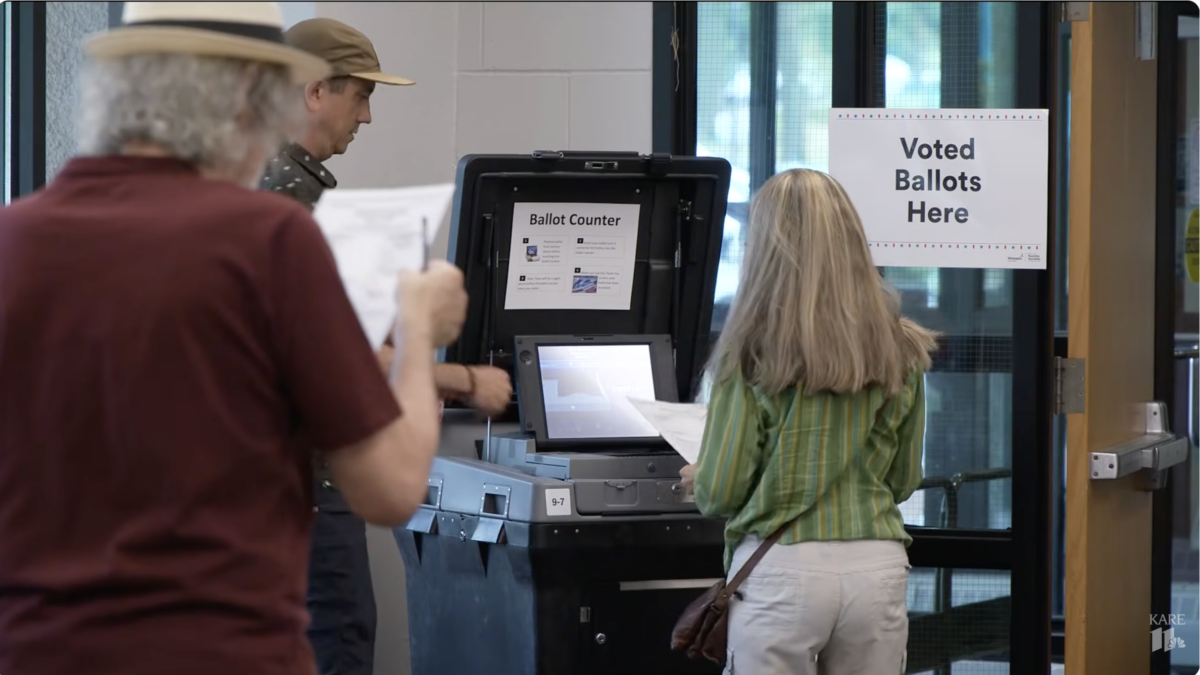
Image via The Federalist
DOJ Election “Monitors” Aren’t Neutral When Trust Is Already Broken
The Justice Department’s Civil Rights Division is reportedly preparing to deploy around 1,000 election monitors to polling sites nationwide. That’s being framed as a confidence-building step, but in a country where half the voters already think the system is tilted, a federal presence at the polls can just as easily read like intimidation or narrative management.
If you’ve ever run a business, you know audits and oversight can be legitimate or they can be weaponized. The key is transparency, clear authority, and even-handed enforcement. When a bureaucracy expands its footprint during the most contested part of the democratic process, the burden is on them to prove it’s about fairness, not advantage.
This also has economic consequences. Unstable elections mean unstable policy expectations, and unstable policy expectations mean delayed hiring, delayed investment, and skittish capital. Markets don’t require “your side” to win; markets require rules people believe in.
🏛 Wade's Take: If elections are clean, you don’t need an army of monitors; you need clear rules, strict chain-of-custody, and public transparency that any normal person can understand. Federal oversight has a place, but when trust is low, the DOJ should be bending over backward to look restrained, not expanded. Conservatives should push for standards that are uniform, auditable, and local-first, because confidence is an asset and we’re burning it down.

Image via Daily Caller
Tax Exemption Isn’t a Perk for Discrimination, No Matter What Acronym It Hides Behind
The Trump administration is reportedly moving to revoke tax-exempt status for schools that engage in racially discriminatory practices. That’s a high-stakes move because tax exemption is not just symbolic; it’s a subsidy. It affects tuition pricing, donor behavior, bond financing, and in some cases even nearby property values tied to school reputation and demand.
The basic principle is simple: if an institution wants the public benefit of tax-favored status, it should not run policies that treat kids differently based on race. The hard part is definitional creep. A lot of modern “equity” programs are written in soft language, but in practice they can function like segregation with better branding.
For families and small-business owners, schools are not an abstract debate. Schools shape workforce readiness, community stability, and whether young families move in or move out. When education becomes an ideological sorting machine, local economies pay for it in slower growth and higher social costs.
🏛 Wade's Take: I’m all for school choice, but choice doesn’t mean taxpayers should underwrite discrimination. If a school is using race as a gatekeeper, pull the benefit and let the marketplace decide whether donors still want to carry that water. The bigger win here is reasserting a conservative standard: equal treatment under law, and no special tax deal for institutions that play politics with children.
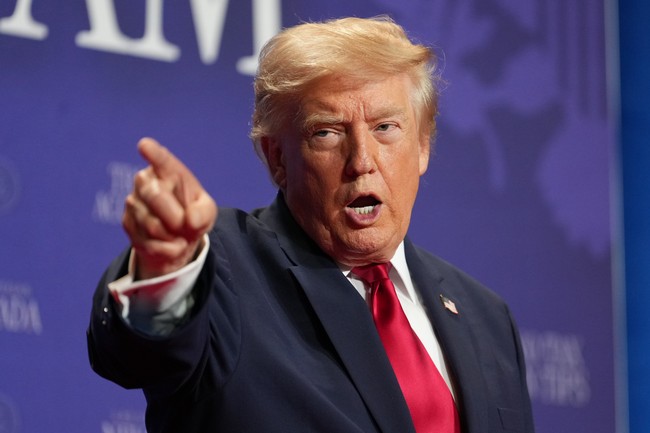
Image via RedState
Iran Picks a Fight With Kuwait, and the Energy Markets Will Notice
Reports indicate Iran has launched an attack on Kuwait, a move that adds gasoline to an already volatile Middle East. Kuwait isn’t just a name on a map; it’s a key player in global energy flows, and any threat to Gulf stability immediately raises the risk premium on oil, shipping insurance, and regional infrastructure.
For regular Americans, this doesn’t stay overseas. Higher crude prices filter into diesel, logistics, airline tickets, plastics, and eventually the cost of groceries and building materials. For anyone running a business with fleets, deliveries, HVAC loads, or construction timelines, geopolitical risk shows up as margin pressure and missed bids.
From an investing standpoint, expect a flight to safety in bursts, bids in defense and energy, and wider spreads where markets fear escalation. But the long-term consequence is bigger: adversaries act bolder when they think America won’t enforce red lines.
🏛 Wade's Take: This is what weakness buys you: higher fuel bills, shakier supply chains, and more danger for our troops and allies. The U.S. doesn’t need to rush into a forever war, but we do need credible deterrence, and that starts with energy independence and a foreign policy that doesn’t telegraph hesitation. If Iran can light up the Gulf without consequences, your cost of living becomes collateral damage.
📎 RedState

Image via American Thinker
Democratic Socialism Sells Online, Not at the Ballot Box
A new argument making the rounds is that democratic socialism has limited appeal with voters, even if it dominates certain media channels and campus politics. That tracks with what I see in the real world: people may like a benefit in isolation, but they don’t like the total bill, the bureaucracy, and the loss of control that comes with centralized economic planning.
The pitch is always moral, but the results are always managerial. Democratic socialism requires a larger administrative state to allocate resources, enforce compliance, and punish dissenting market behavior. That isn’t just expensive; it’s corrosive, because it teaches citizens to negotiate with government instead of creating value for customers.
There’s also a practical reason it stalls: America’s small-business backbone. People who’ve signed the front of a paycheck understand that “free” programs are paid for by somebody, and it’s usually the productive middle that gets squeezed while the truly connected carve out exemptions.
🏛 Wade's Take: Democratic socialism sounds compassionate until you’ve had to meet payroll in a slow month and you realize the government’s answer is always higher costs and more paperwork. Voters flirt with it when they’re frustrated, but they back away when they picture Washington running the parts of life that actually need flexibility and common sense. Conservatives win this fight by talking less theory and more household math: what it costs, who pays, and what freedom you give up.
That’s the roundup. Keep your eyes on what moves the money, what moves the rules, and who benefits when the rest of us are told to “trust the process.” I’ll see you tomorrow. — Wade
— Wade Lawson