Sponsored By:
The Fed held rates, inflation is still above target, and uncertainty is rising — that means the "buy anything AI" trade is over. Smart money is rotating fast toward the companies actually building AI infrastructure: chips, cloud capacity, and mission-critical data tools. Big Tech alone is projected to spend $635B–$665B on AI in 2026 — and not all of it is going where most investors are looking.
We've identified 9 AI stocks worth watching right now — including a lesser-known chip name tied to U.S. AI infrastructure, a cloud player with improving setup, and a data analytics company with government exposure. This isn't hype. It's about following where capital is actually being deployed.
Get the Free Report NowBy clicking the link above, you will receive this free report and a free subscription to the StockEarnings daily email newsletter. You are also agreeing to the terms of our Privacy Policy. Unsubscribe at any time.

Thursday’s roundup looks at how voting blocs and coalitions are shifting, what Republicans have to fix to win sustainably, what Trump is signaling on immigration, and why Europe may get sidelined in Ukraine talks. As always: follow the incentives, follow the money, and ask who’s stuck holding the bill.
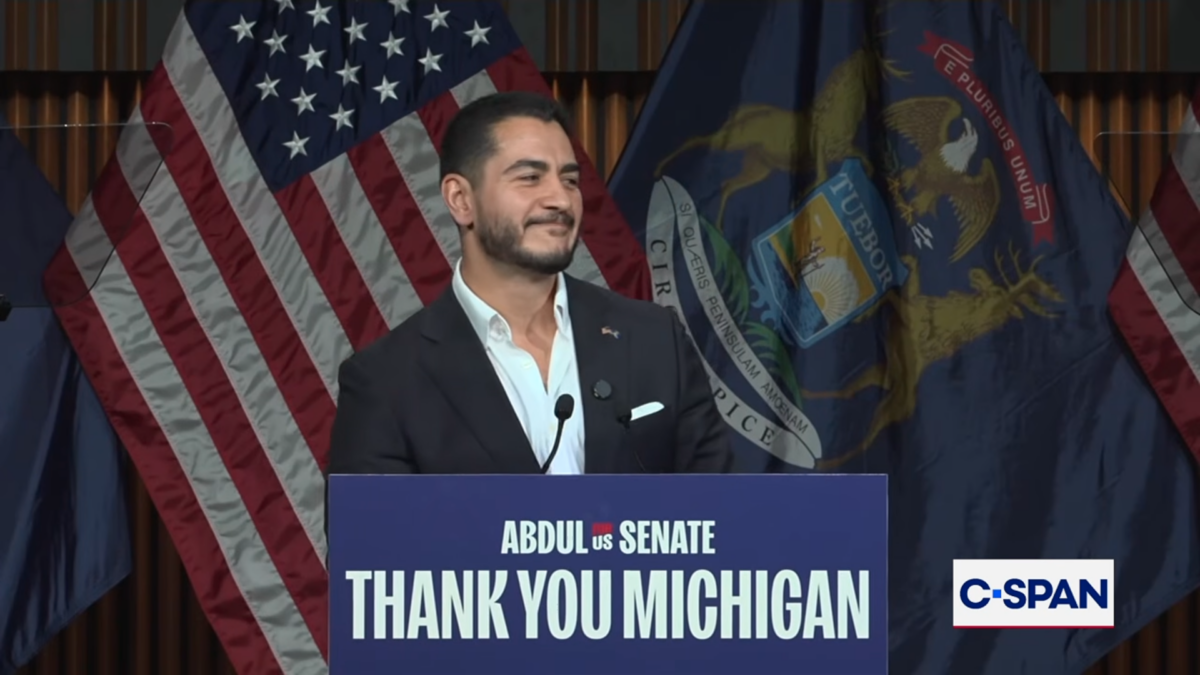
Image via The Federalist
Blue Tsunami Brings a Red-Green Coalition Into the Open
The Federalist flags a trend Democrats have been nurturing for years: tightening the bond between progressive institutions and socially conservative immigrant communities under one electoral umbrella. NBC exit polling put Muslim voters at roughly 1 percent of the electorate, but breaking 86 percent Democrat is still meaningful in close races and in big-city primaries where turnout is thin and margins are tight.
The practical impact isn’t just “who won.” It’s where policy gets written. In the places where Democrats already dominate, coalition management becomes the ballgame, and that tends to push priorities toward activist energy: more regulation, more identity-politics gatekeeping, and more pressure on public dollars. If you own property, run a small business, or depend on predictable permitting and policing, you already know what that usually looks like on the ground.
There’s also a broader lesson for Republicans: you can’t write off any community as unreachable, but you also can’t pretend coalitions don’t come with agendas. When the Democratic coalition expands, it often expands the list of groups demanding carve-outs, subsidies, and special treatment, and that bill gets mailed straight to the productive class through taxes, fines, and higher operating costs.
🏛 Wade's Take: Coalitions matter because they set the rules of the economy: taxes, energy costs, policing, and whether your city is run for taxpayers or for activists. Republicans need to compete everywhere, but they also need to clearly define what they’re offering: safety, prosperity, and equal rules for everyone. If the Democratic “big tent” keeps turning into a grievance tent, expect more regulatory churn and less investment confidence in the cities that can least afford it.

Image via National Review
Republicans Don’t Need Louder Anger — They Need a Governing Offer
National Review makes a blunt point Republicans need to hear: resentment is not a strategy, and vibes don’t build a durable majority. The party has structural problems that won’t be fixed by being perpetually online or perpetually offended, and it won’t win long-term unless it can show, in plain English, what it will do with power.
A real governing offer means policy priorities that touch regular lives: a cost-of-living agenda, serious energy abundance, permitting reform, safer streets, immigration enforcement that’s functional and humane, and a tax and regulatory posture that lets small firms expand instead of just survive. Voters can smell the difference between a party that wants to run the country and a party that only wants to punish the other side.
The market angle is simple: predictable governance lowers risk premiums. When businesses believe laws won’t whipsaw every election cycle, they invest. When families believe the next two years won’t bring another inflationary policy experiment, they buy homes, start companies, and take chances.
🏛 Wade's Take: I’ve made payroll in real life, and I can tell you: governing is about priorities, tradeoffs, and execution, not just anger. Republicans should talk less about “owning” people and more about lowering the cost of energy, housing, insurance, and compliance. If the GOP can’t offer competent management, it’ll keep renting votes on outrage instead of owning a majority.

Image via Daily Caller
Trump Draws a Line: No Mass Amnesty, Even if Talks Get Noisy
The Daily Caller reports that after chatter about working with Democrats on immigration, Trump allies are stressing he will not allow mass amnesty. That’s a signal to the base, but it’s also a signal to employers, border-state communities, and anyone watching labor markets: the policy fight is about to get louder, and the definitions are the whole war.
Every time Washington tosses around the word “amnesty,” investors should translate it into second-order effects: wage competition in certain sectors, housing demand pressure, school and health system strain, and the political incentives that follow. Businesses that rely on labor want predictability; communities want order; taxpayers want accountability. You can’t get any of that when the border is functionally treated like a suggestion.
The tricky part is separating enforcement from workforce reality. America needs legal immigration that is orderly, skills-based where possible, and enforceable in practice. But rewarding lawbreaking at scale is a long-term cultural and fiscal poison pill, and it invites the next wave because it teaches the world the same lesson every time.
🏛 Wade's Take: “No mass amnesty” is the right line, because a country that won’t enforce its own laws won’t enforce anything else that matters to investors, either. Fix the border, fix E-Verify, modernize legal channels, and stop pretending the taxpayer is an unlimited credit card for Washington’s moral posturing. If we want higher wages and stable communities, we have to regain control first.
Meloni Warns Europe Could Get Boxed Out of Ukraine Peace Talks
Reuters reports Italy’s Prime Minister Giorgia Meloni is warning that Europe risks becoming irrelevant in Ukraine peace negotiations. Read that as a power statement: major decisions may be driven by whoever brings leverage to the table, and Europe’s leverage is limited if it can’t coordinate defense capacity, energy security, and a unified diplomatic line.
For markets, Ukraine isn’t just a headline; it’s a volatility engine. Energy prices, fertilizer and grain flows, defense spending, and industrial supply chains all move on the expectation of escalation or settlement. If Europe is sidelined, the settlement terms could skew toward the interests of whoever is actually negotiating, and that will shape sanctions regimes and reconstruction money.
American taxpayers should also pay attention to the “irrelevance” claim. If Europe can’t carry more of its own burden, Washington will keep getting leaned on financially and militarily, which means more pressure on U.S. budgets and a higher chance foreign policy bleeds into domestic inflation via energy and deficit spending.
🏛 Wade's Take: Europe being “irrelevant” is another way of saying the U.S. keeps getting treated like the default backstop. Allies should be allies, not dependents, and burden-sharing isn’t an insult — it’s adulthood. For investors, the play is to watch energy policy and defense procurement, because that’s where governments write big checks when diplomacy starts wobbling.
📎 Reuters
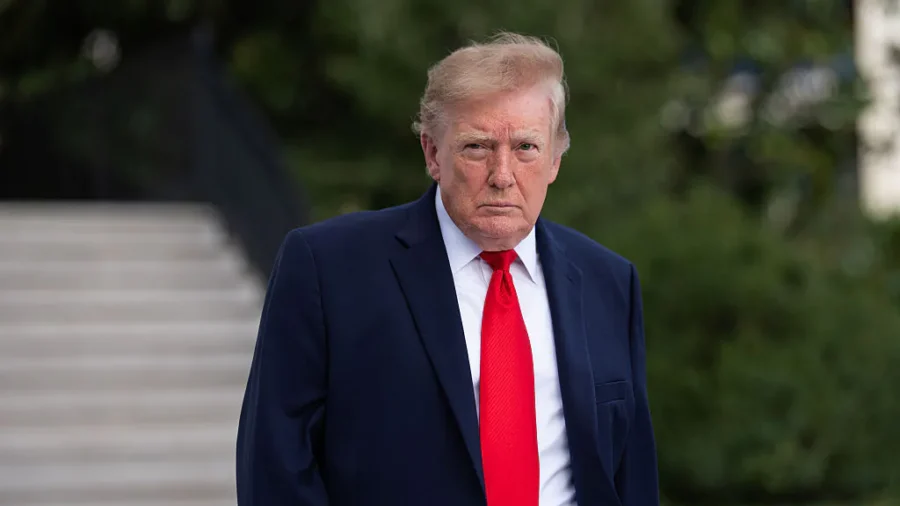
Image via NTD
White House Signals Trump Isn’t Backing Off the Fight
NTD reports the White House is vowing Trump will “keep fighting,” with the piece noting his travel and rally schedule in support of Republican candidates. Whatever you think of Trump’s style, the operational point is clear: the White House is treating politics as a continuous campaign, not a seasonal one.
That posture affects markets in two ways. First, it keeps policy disputes front-and-center, which can harden positions in Congress and slow compromise on budgets, taxes, and regulation. Second, it keeps the news cycle hot, which can amplify investor emotions even when underlying fundamentals haven’t changed.
For small businesses and property owners, prolonged political warfare has a cost. Delayed spending bills and regulatory uncertainty don’t just hit “Wall Street.” They hit bank underwriting, construction timelines, municipal projects, and hiring decisions — the stuff that determines whether Main Street can plan past next quarter.
🏛 Wade's Take: I don’t mind a fighter, but I like results more than rallies. If the White House wants to prove strength, deliver stability: cleaner permitting, saner regulation, disciplined spending, and policies that bring inflation down without crushing growth. Politics is fine, but governing is what keeps families employed and capital invested.
📎 NTD
That’s the roundup for today. Keep your balance sheet clean, your leases tight, and your politics anchored to what actually makes communities safer and businesses grow. Wade Lawson, The Local Conservative
— Wade Lawson