Sponsored By:
The biggest AI wins come from companies you don't hear about every day. Like the database provider now embedded into all three major cloud platforms with access to 90% of the market, or the chip giant holding 80% of the AI data center market.
Our 10 Best AI Stocks to Own in 2026 reveals these hidden winners plus a plucky challenger with 28% revenue growth forecasts, a multi-cloud operator with analyst targets near $440, and 6 other AI stocks set to explode. Get the complete list while it's still free.
Get the Free ReportBy clicking the link, you agree to join MarketBeat emails and unlock complimentary insights from select partners. Privacy Policy

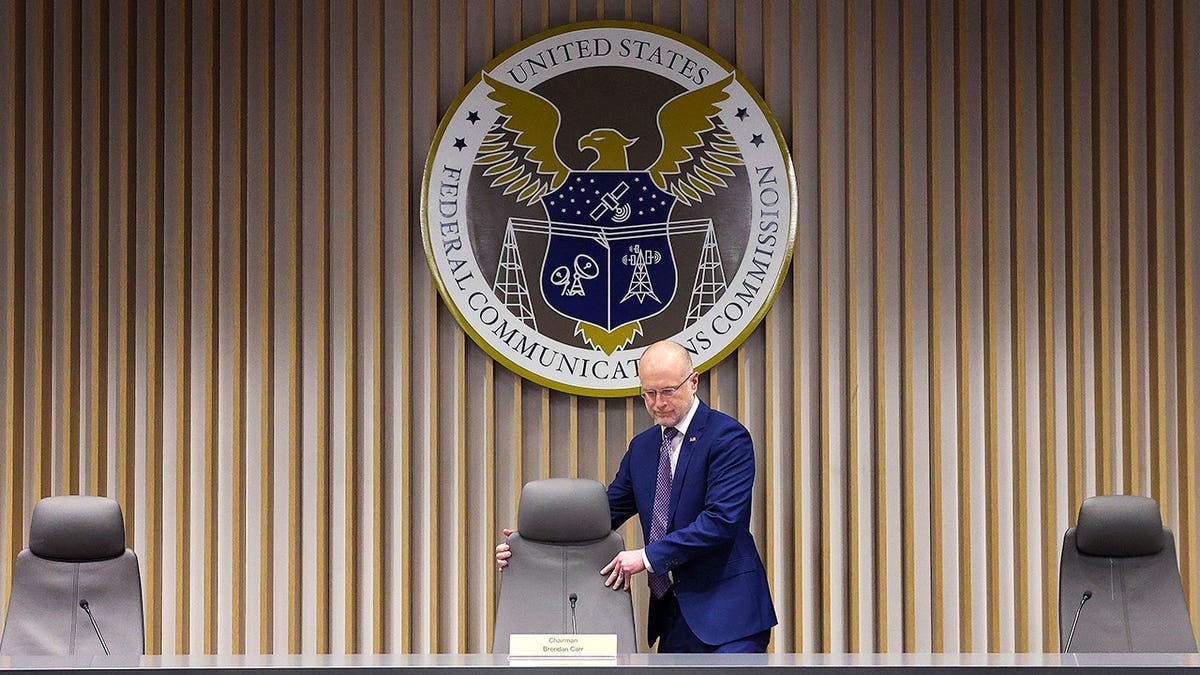
Image via Fox News (Opinion)
Regulators Want to Block a Media Merger — and Local TV Pays the Price
Steve Forbes is warning that Washington regulators are playing with fire by blocking the proposed Nexstar–Tegna deal. The argument is simple: local TV is getting squeezed from every direction — streaming, social media, digital ad monopolies — and the old standalone station model isn’t what it was when everybody had rabbit ears and watched the 6 o’clock news.
Forbes says scale is the lifeline. Bigger ownership groups can invest in better tech, stronger investigative reporting, and distribution that actually competes with Big Tech’s attention machine. Without that scale, local stations keep cutting staff, shrinking coverage, and turning into “read the wire and pray” operations — which is bad for civic life and bad for the communities that still rely on them.
✍ My Take: If regulators block consolidation while Google and Meta keep vacuuming up ad dollars, they’re not “protecting competition” — they’re picking winners, and the winner isn’t Main Street. Local TV is one of the last mass-market institutions outside the coastal bubble, and starving it out will leave citizens with less local accountability and more national propaganda. Let the deal happen, and judge the company on results — not ideology.

Image via The Federalist
When Schools Normalize Political Violence, Don’t Act Shocked When It Shows Up in the Streets
The Federalist argues that certain education institutions are producing graduates who view political violence as “justice,” not evil. The piece claims this is no longer fringe rhetoric — it’s being laundered through classrooms, faculty culture, and activist training programs that treat riots, intimidation, and even assassination-adjacent talk as morally defensible if the target is the “right kind” of enemy.
The article’s broader point is about incentives: when universities and K–12 systems are publicly funded and culturally protected, they can push radical ideology without accountability. And when students are taught that outcomes matter more than principles — that the ends justify the means — you don’t get debate. You get escalation.
✍ My Take: Taxpayers shouldn’t be forced to bankroll institutions that preach contempt for the country and wink at violence. If a school can’t commit to basic civic peace — “we settle disagreements at the ballot box, not with threats” — it doesn’t deserve one red cent of public subsidy. You want activism? Fine. Fund it privately like every other special-interest project.
Don Jr. Looms in the Background — and That’s Not an Accident
The American Conservative lays out a political reality: Donald Trump Jr. is a name everyone knows, and in today’s GOP that familiarity can matter more than a résumé filled with committee hearings and think-tank white papers. The argument isn’t that he’s openly running — it’s that the brand equity is there, and the MAGA base often prefers a fighter they recognize over a manager they don’t.
The piece suggests that as the party stays oriented around cultural and institutional combat, candidates who can communicate the movement’s instincts — not just policy — keep an advantage. Don Jr. has spent years in the arena, and that counts in a party that believes the other side plays for keeps.
✍ My Take: Here’s my businessman view: a recognizable brand lowers customer acquisition costs — politics is no different. But running the country isn’t a podcast; it’s staffing, coalition-building, and keeping markets calm while you punch back at bureaucracy. If Don Jr. ever steps in, he’ll need to prove he can govern, not just headline.

Image via The Daily Signal
Fairfax Cuts Teachers, Raises Class Sizes — Then Pays for Admin PhDs
The Daily Signal reports Fairfax County Public Schools cut 275 teaching positions and raised class sizes — while launching a program to fund PhDs for some of its highest-paid administrators. Parents are being told “resources are tight,” but the system still finds money to credential up the people already sitting in the nicest offices.
The story highlights a pattern Americans recognize: bureaucracy expands upward even when front-line service gets worse. In education, that means more paperwork, more consultants, more “equity” staff — while the classroom absorbs the pain through bigger class sizes and fewer teachers.
✍ My Take: This is exactly how failing organizations behave: protect management, squeeze production. If a private company cut its front-line workforce and then paid executives to go back to school on the company dime, investors would revolt and the board would get cleaned out. Parents and taxpayers should demand the same accountability — or start moving funding to options that actually teach kids.
Image via NTD (The Epoch Times/NTD)
Alabama and Tennessee Redraw the Map — and Everyone Lawyered Up
NTD reports Alabama and Tennessee are among the latest states moving forward on new congressional maps. Redistricting has become a permanent political knife fight: courts, commissions, legislatures, and national party groups all treating maps like weapons instead of boundaries.
Behind the legal arguments is a bigger truth: control of Congress is often decided at the margin, and district lines can harden those margins for a decade. That means businesses and communities live with policy outcomes shaped less by persuasion and more by cartography.
✍ My Take: I’m a conservative, but I’ll say it plainly: when politics becomes map warfare, voters lose and consultants win. Stable, understandable districts are better for long-term investment and community representation than constant courtroom chaos. If states want legitimacy, they should prioritize transparent rules and competitive fairness — not just the next election.
Wade Lawson — keeping one eye on Washington and the other on your wallet.
— Wade Lawson