Sponsored By:
Mode Mobile — the company ranked North America's #1 fastest-growing software company by Deloitte with 32,481% growth — is still offering pre-IPO shares at $0.52/share. But not for long. On August 14, the price goes up. With 490M+ users, $115M+ in lifetime revenue, and a reserved Nasdaq ticker ($MODE), over 60,000 investors have already poured in $100M+ — including original Shark Tank investor Kevin Harrington.
This is your last shot at the current entry point. Just like Uber disrupted cars and Airbnb disrupted homes, Mode is turning everyday phone use into income — and the window to get in early is closing fast. Don't miss the August 14 deadline.
Claim Your Pre-IPO Shares Now*Mode Mobile recently received their ticker reservation with Nasdaq ($MODE), indicating an intent to IPO in the next 24 months. An intent to IPO is no guarantee that an actual IPO will occur. *The Deloitte rankings are based on submitted applications and public company database research, with winners selected based on their fiscal-year revenue growth percentage over a three-year period. *Mode revenue and EBITDA numbers include full year revenue and EBITDA of businesses acquired by Mode Mobile in 2025. *Please read the offering circular and related risks at invest.modemobile.com.

Five stories where politics meets the real economy: public trust, public safety, Middle East risk, healthcare price games, and Iran’s next move.
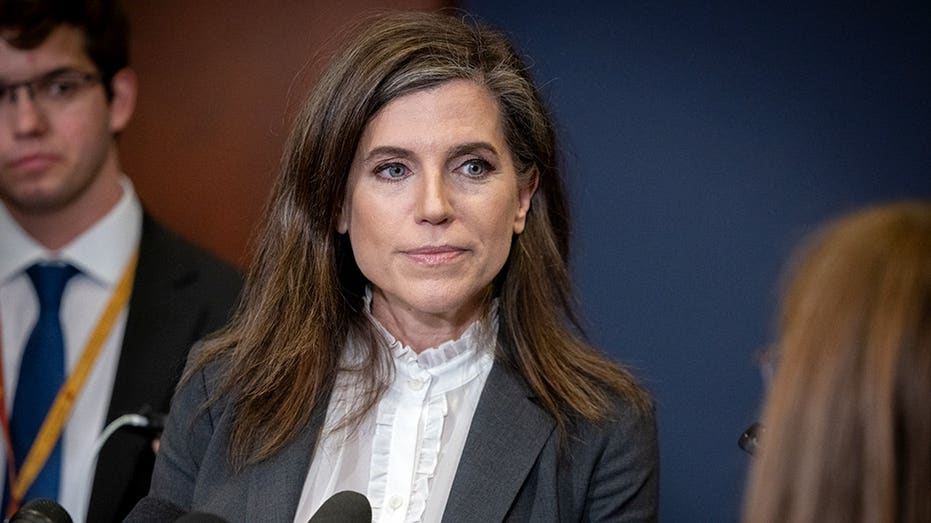
Image via Fox News
Mace Draws Fire After Calling Muslim Officeholders A ‘Trojan Horse’
Rep. Nancy Mace set off a political firestorm after posting on X that all Muslims in public office are “a trojan horse” and a threat to the United States. Democrats pounced, framing the remark as bigotry and arguing it undermines religious freedom and civic inclusion.
From a business and markets angle, this kind of broad-brush statement doesn’t just inflame cable news; it raises the temperature for everyone trying to keep communities stable and investable. When national leaders talk in absolutes about whole groups of Americans, you get more security costs, more community friction, and more pressure on local officials and employers to “pick a side” instead of doing the basic work of governing.
It also hands the Left an easy headline that distracts from real questions voters want answered: vetting for office, national security screening, foreign influence, and whether elected officials put America first. Those are legitimate issues, but you don’t win them with a blanket accusation that sweeps up millions of law-abiding citizens.
🏛 Wade's Take: If you’re worried about foreign influence or extremist ideology, then say that and prove it case by case. “All Muslims” is the kind of sloppy talk that turns serious security concerns into a culture-war bonfire and lets Democrats dodge the hard debate. Conservatives win by defending the Constitution and enforcing the law evenly, not by painting with a roller.
📎 Fox News
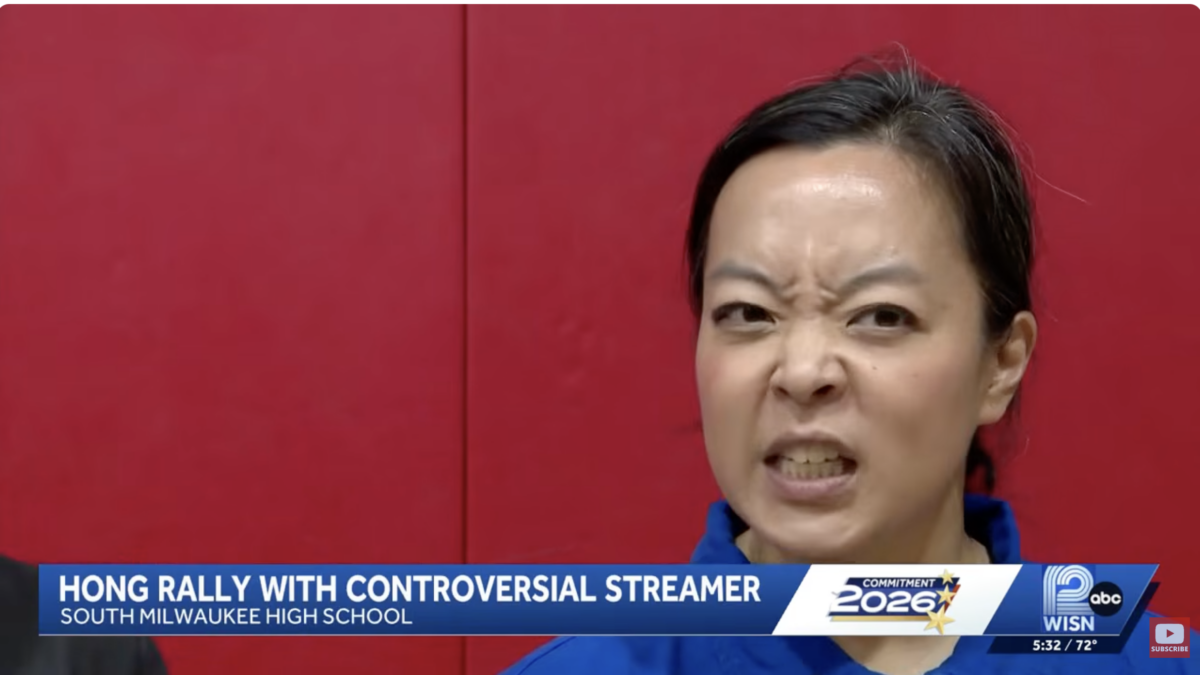
Image via The Federalist
A Father’s Warning For Wisconsin: Don’t Import Illinois’ Crime And Chaos
Joe Abraham, whose daughter was killed by a drunken illegal alien, is urging Wisconsin voters to reject far-left candidates for governor. His message is blunt: policies that weaken immigration enforcement and criminal accountability don’t stay theoretical; they show up as victims, funerals, and broken families.
This is also an economic story, whether politicians want to admit it or not. Public safety is a balance sheet item: businesses pay for private security, stores close earlier, insurers raise premiums, and good employees decide the commute isn’t worth it. When a state earns a reputation for disorder, property values and commercial occupancy follow the headlines right downhill.
Wisconsin isn’t Illinois, and it shouldn’t volunteer to learn the same lessons the hard way. Voters can demand compassion and legality at the same time: secure the border, enforce deportation orders, and keep repeat offenders off the streets.
🏛 Wade's Take: A country that won’t control its border is telling every small business owner and every family that their safety comes second. That’s not “mean,” it’s mismanagement. Wisconsin should choose leadership that treats law enforcement like a public good, not a political problem.
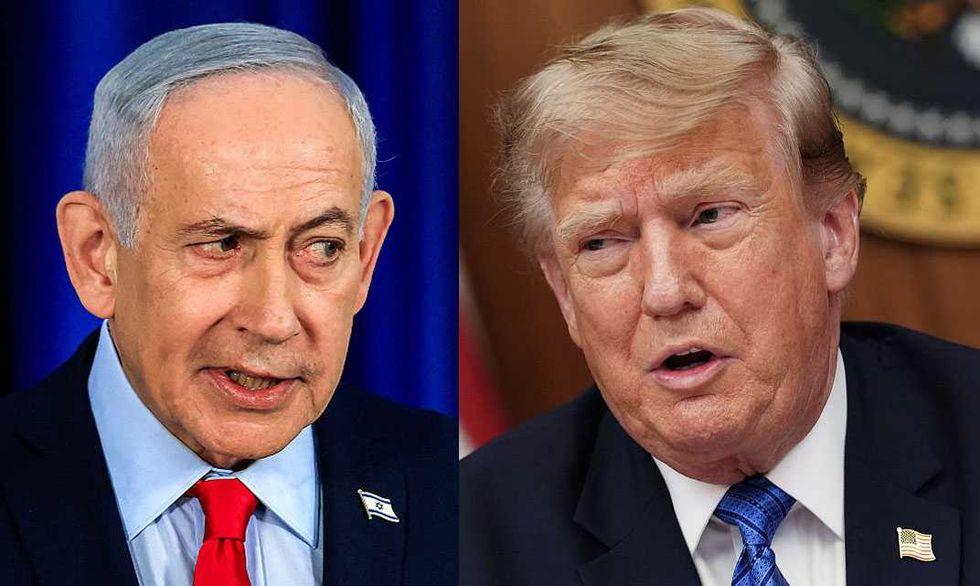
Image via The Blaze
Netanyahu Brushes Off Trump Gaza Plan, Keeping The Region’s Risk Premium High
Israeli Prime Minister Benjamin Netanyahu has rejected President Donald Trump’s Gaza peace plan, publicly downplaying it with comments that “they have ideas.” The report follows Trump’s July 30 announcement that his Board of Peace had reached a “historic agreement” aimed at ending a conflict that has taken a heavy toll.
When diplomacy stalls in the Middle East, markets don’t wait for press conferences to catch up. Energy traders price uncertainty fast, insurers reprice shipping routes, and defense names catch a bid while airlines and consumer discretionary can feel the squeeze if oil spikes. For everyday Americans, that can mean higher gas, higher freight costs, and one more reason the Fed stays cautious.
Politically, this is a reminder that allies have their own domestic constraints and their own red lines, no matter who sits in the Oval Office. Announcements are not outcomes, and in that region, the last mile is usually the longest mile.
🏛 Wade's Take: Peace plans are fine, but the only thing Wall Street and Main Street can bank on is what actually gets implemented. If Netanyahu isn’t buying what Trump’s selling, then assume the conflict risk stays in the price of oil and the price of everything moved by diesel. Investors should treat “historic agreement” headlines like a term sheet: interesting, but not closed until it’s signed and performed.
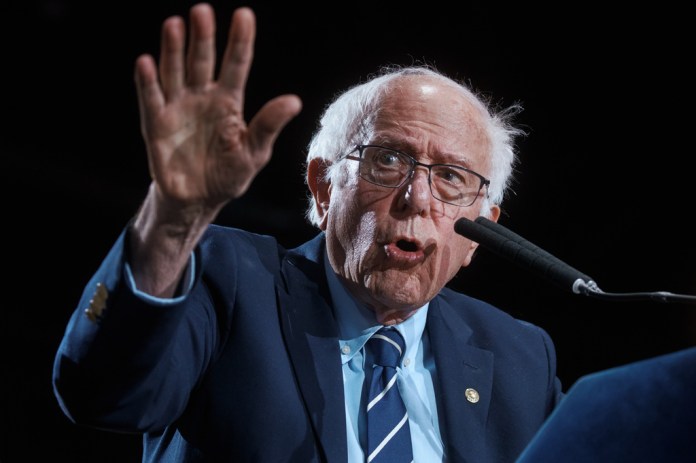
Image via Washington Examiner
Bernie And The GOP Find Common Ground: End The Sneaky Medical Bill Game
A Washington Examiner opinion piece argues that hospital price transparency has become one of the rare areas where Bernie Sanders and Republicans can agree: patients shouldn’t be ambushed by secret medical bills. The piece frames the healthcare system as a sprawling industry that’s mastered the art of complexity, with large hospital systems and middlemen thriving on opaque pricing.
This hits home for anyone who’s ever run payroll. In small business, you don’t get to send a “surprise invoice” after the customer leaves and call it innovation. But in healthcare, opaque pricing distorts the entire market: employers can’t forecast benefit costs, families can’t comparison shop, and insurers pass the mess along in higher premiums.
Price transparency won’t fix everything, but it’s a start. When buyers can see prices, providers have to compete on cost and outcomes instead of paperwork and leverage.
🏛 Wade's Take: If Bernie Sanders and Republicans agree, you should at least read the bill twice and see where the traps are. But the core idea is right: hidden prices are a racket, and rackets don’t deserve federal protection. Shine sunlight on hospital pricing, enforce it with real penalties, and watch how fast “nonprofit” systems start acting like they actually serve the public.

Image via National Review
Iran Rewires Its Proxy Network, Making The Next Escalation Harder To Stop
National Review reports that Iran is restructuring its proxy network in preparation for renewed regional escalation, aiming to be less vulnerable to outside attacks. In plain terms, Tehran is learning from recent conflicts and adapting its command-and-control, logistics, and survivability so its partners can keep operating even when pressure increases.
This matters beyond geopolitics because it feeds directly into risk: risk to shipping lanes, risk to energy infrastructure, and risk to U.S. allies that can pull America into a wider confrontation. When adversaries decentralize and harden their networks, deterrence gets more expensive and outcomes get less predictable.
For investors, this is one of those stories that doesn’t move your portfolio in a single day, but it can change the backdrop for months. Defense supply chains, energy volatility, and cyber risk all live downstream from a smarter, more resilient proxy model.
🏛 Wade's Take: Iran’s strategy is the same as any operator who can’t win a straight fight: distribute the operation, hide the plumbing, and make retaliation harder. The right response is strength and clarity, not wishful thinking and press releases. If Washington keeps projecting weakness, the market will keep pricing in higher odds of disruption.
That’s the roundup. Keep your head on a swivel, your balance sheet conservative, and don’t let politics distract you from where the money actually moves. Wade Lawson, The Local Conservative
— Wade Lawson