Sponsored By:
Get ahead of Wall Street with Elite Trade Club's free 5-minute morning brief. Over 170,000 readers rely on it for market-moving stories in plain English, key numbers to watch, and SMS alerts delivered straight to your phone before the bell rings.
Sign up today and unlock exclusive partner insights — handpicked opportunities designed to give you an extra edge. Completely free, one-click signup gets you started instantly.
Get the Free Market BriefBy clicking the link, you agree to join Elite Trade Club emails and unlock complimentary insights from select partners. Privacy Policy

News For Every Conservative
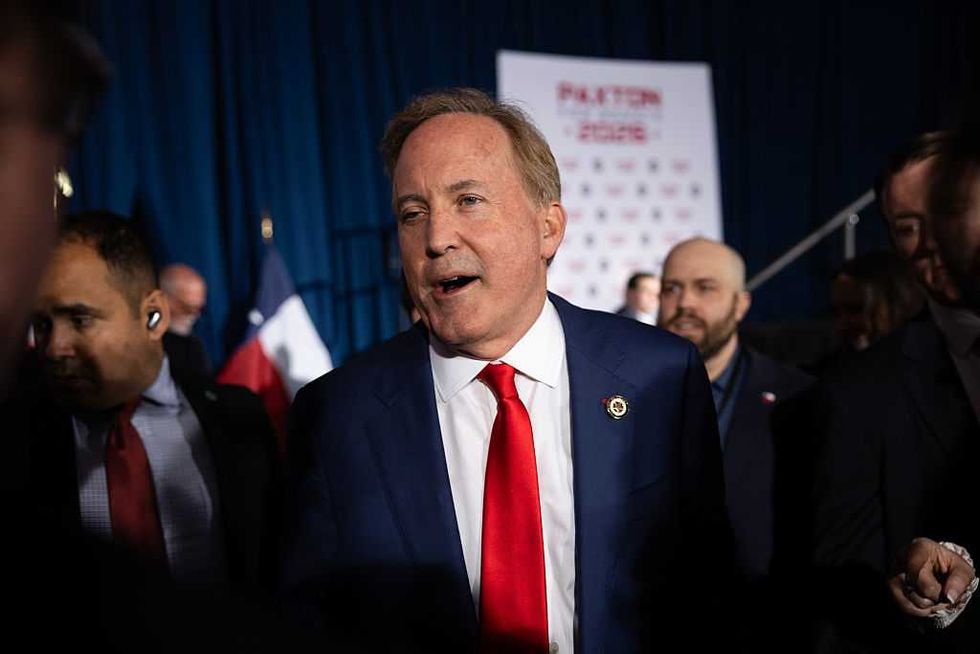
Image via TheBlaze
Paxton vs. Cornyn: All That Money, and Still a Photo Finish in Texas
Texas Attorney General Ken Paxton and Sen. John Cornyn are still running neck-and-neck in the Republican Senate runoff, even with Cornyn sitting on a much bigger pile of cash. That’s not just a polling curiosity — it’s a signal that GOP voters aren’t automatically buying what the consultant class is selling, even when it’s wrapped in glossy ads and paid for at scale.
In business terms, this is what happens when you confuse “budget” with “demand.” Cornyn can outspend Paxton, but he can’t outspend sentiment. And in Texas, where energy, border security, and inflation hit households and employers every single day, the base is treating this race like a referendum on whether Washington Republicans are actually willing to fight, not just fundraise.
✍ My Take: If you can’t separate with a massive war chest, you’ve got a message problem — not a money problem. Big donors love predictability, but voters are in a “results over résumés” mood. The winner needs to remember: Texas businesses want less regulation, cheaper energy, and a secure border — not another senator who “talks conservative” and votes like it’s 2014.
📎 TheBlaze
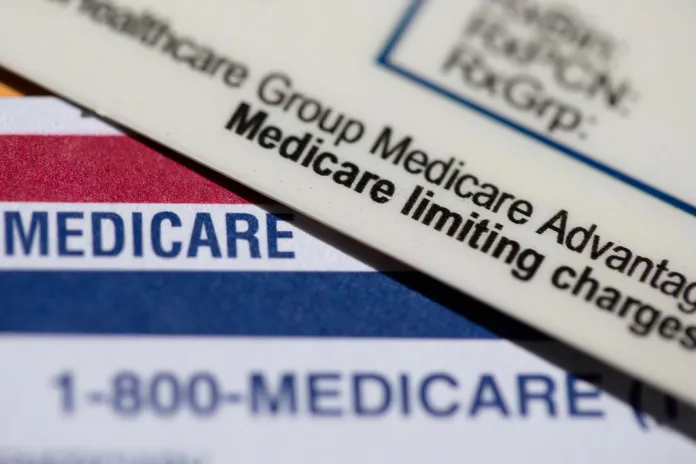
Image via Washington Examiner
Warning to Republicans: Touch Medicare Advantage and You’ll Get Burned in 2026
A Washington Examiner piece lays out the obvious but under-discussed reality: Medicare Advantage is how most seniors get Medicare coverage now, which means any meaningful cuts land directly on the people most likely to vote in midterms. It’s not theoretical — it’s doctor networks, co-pays, drug coverage, and whether Nana can keep the plan she understands.
The politics are simple, but the economics matter too. When government squeezes Medicare Advantage, plans react the way any business reacts: they narrow networks, reduce extras, and raise out-of-pocket costs where they can. That doesn’t just anger seniors — it shifts costs downstream to hospitals, clinics, and families, and it adds more pressure on an already strained healthcare labor market.
✍ My Take: Republicans don’t need to “save money” by breaking the most popular form of Medicare. Go after fraud, price opacity, and the admin bloat that makes every medical bill look like a ransom note. If the GOP hands Democrats a clean “they cut your Medicare” storyline, they deserve the shellacking that follows.
Illicit Nicotine Flooding In: Former Cops Compare It to “Licensed Crack Houses”
Former law enforcement officials are sounding the alarm about illicit nicotine products pouring into the U.S., with China frequently cited as a major source. The reporting frames it like a black-market supply chain hiding in plain sight — product moving through gray channels, sold cheap, and marketed in ways that would never pass muster in a regulated system.
This is what happens when regulators make legal markets expensive and complex, but enforcement can’t keep up with the incentives. High taxes and heavy compliance don’t eliminate demand — they just push supply toward whoever’s willing to cheat. And when that happens, legitimate convenience stores and law-abiding distributors get undercut while communities get stuck with the public health mess.
✍ My Take: If you want fewer kids hooked on this stuff, you’ve got to crush the illegal pipeline, not just lecture parents and raise taxes on the legal guys. Secure ports, tighten customs screening, and make penalties real for distributors who “play dumb.” Conservatives should be able to say both things at once: protect public health and protect lawful small businesses from black-market sabotage.
Trump Extends Israel–Lebanon Ceasefire: Markets Love Stability, Even When It’s Fragile
President Trump announced a three-week extension of the Israel–Lebanon ceasefire following direct White House involvement in talks described as historic. Whatever your view of Middle East diplomacy, the immediate effect of reduced escalation risk is straightforward: it lowers the probability of supply shocks, shipping disruptions, and sudden risk-off moves in global markets.
For everyday Americans, this isn’t abstract. Regional conflict threatens energy prices, insurance costs for shipping, and investor sentiment — which eventually bleeds into everything from gas at the pump to input costs for manufacturers. When tensions cool, even temporarily, it buys time for trade routes and energy markets to breathe.
✍ My Take: Peace talks don’t have to be perfect to be profitable — they just have to reduce the odds of things blowing up. I’ll take three weeks of calmer seas over three days of cable-news saber-rattling that spikes oil and wrecks planning for businesses. Keep America strong, keep allies protected, and keep energy markets from becoming a political hostage.
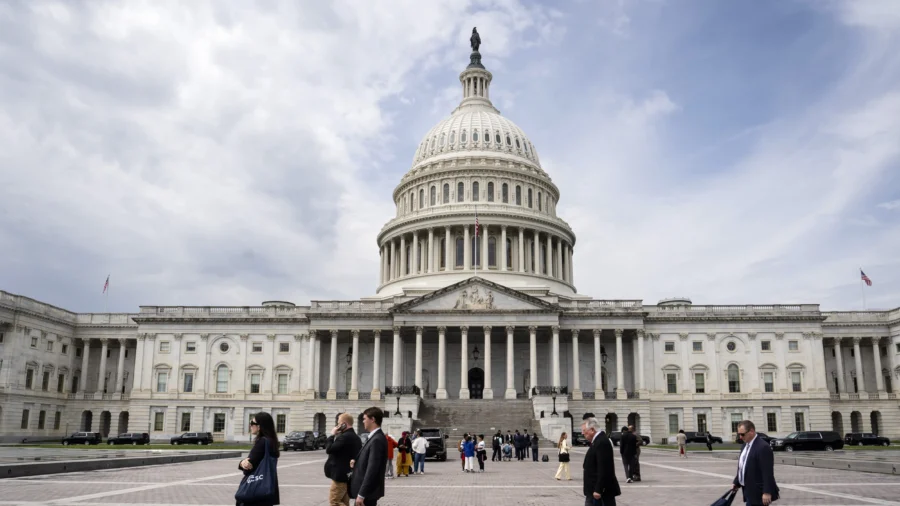
Image via NTD
House Moves to Extend Surveillance Powers to 2029 — Conservatives Should Read the Fine Print
The House unveiled legislation to extend key surveillance authorities through 2029, keeping a set of tools alive that national security types argue are necessary in a world of sophisticated threats. The backdrop is familiar: lawmakers are asked to renew broad powers with promises of oversight, while skeptics warn the machinery rarely shrinks once it’s built.
This debate matters for more than civil liberties. Confidence in institutions is an economic asset — when citizens believe government uses tools responsibly, markets and communities function with less friction. When people think surveillance is politicized or abused, distrust spreads, and that distrust shows up in everything from investment behavior to social stability.
✍ My Take: I’m for catching terrorists and spies — I’m also for limiting the government’s temptation to treat ordinary Americans like suspects. If Congress wants an extension, it better come with hard audit requirements, real penalties for abuse, and tighter targeting standards. “Trust us” is not a conservative governance model.
📎 NTD
I’m Wade Lawson — build local, invest smart, and don’t let Washington gamble with what you’ve earned.
— Wade Lawson